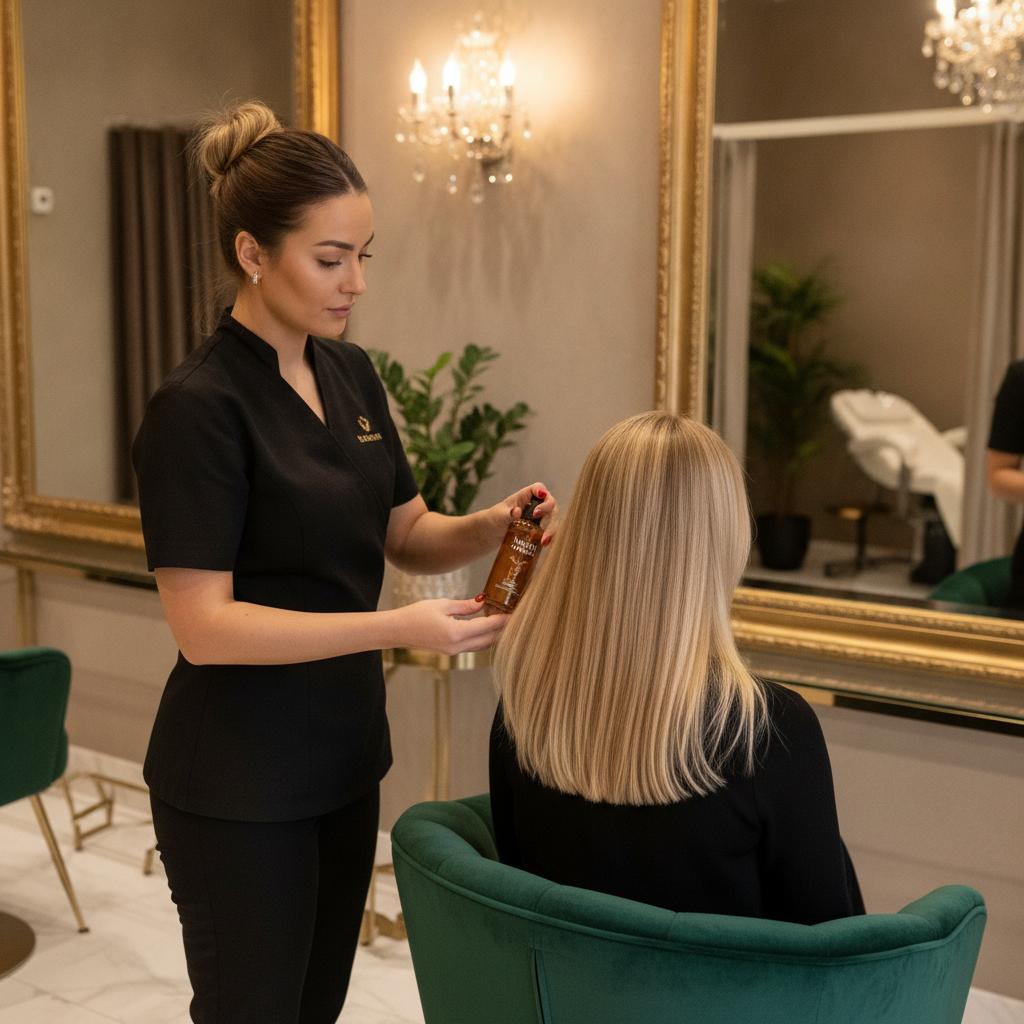

Introduction: Unlock Your Hair’s Potential with a DIY Hair Mask
Welcome to the world of homemade hair care, where your kitchen pantry holds the key to healthier, more radiant hair. Creating a DIY hair mask is more than just a trend; it’s an empowering, eco-conscious choice for anyone beginning their home haircare journey. Instead of navigating complex ingredient lists on commercial products, you can select simple, whole ingredients tailored precisely to your hair’s needs. This guide will walk you through the science, recipes, and techniques to craft the perfect natural treatment for your locks.
Why go DIY? The benefits are compelling. You gain complete control over what goes on your hair, avoiding harsh chemicals, silicones, and synthetic fragrances. It’s incredibly cost-effective, sustainable, and reduces packaging waste. Most importantly, crafting your own DIY hair mask connects you to the ingredients, helping you understand what truly nourishes your hair from the outside in.
How Hair Structure Influences Your Mask Choice
To choose the right ingredients, it helps to understand the basic structure of a hair strand. Each strand has three main layers: the medulla (innermost core), the cortex (middle layer providing strength and color), and the cuticle (the outer, protective layer).
Think of the cuticle as overlapping shingles on a roof. When hair is healthy, these shingles lie flat, creating a smooth, shiny surface that locks in moisture. When hair is damaged by heat, chemical treatments, or environmental factors, the cuticles lift and break. This allows moisture to escape, leading to frizz, dullness, and breakage. A well-formulated DIY hair mask works by either penetrating the cortex to provide strength or by smoothing and sealing the cuticle to lock in moisture and add shine.
Quick Ingredient Guide: Your Pantry’s Haircare Heroes
Your kitchen is a treasure trove of powerful haircare ingredients. Here’s a quick rundown of common pantry staples and their benefits for your next homemade hair mask.
Moisture and Hydration (Humectants and Emollients)
- Avocado: Rich in fatty acids, vitamins A, D, and E, it’s a super-moisturizer that nourishes and strengthens hair.
- Banana: Packed with potassium, silica, and natural oils, bananas can improve elasticity, prevent split ends, and soften hair.
- Honey: A natural humectant, it draws moisture into the hair shaft. It also has antibacterial properties beneficial for scalp health.
- Yogurt/Kefir: The lactic acid gently cleanses while the fats provide moisture. It’s also a source of protein.
- Aloe Vera Gel: Contains proteolytic enzymes which repair dead skin cells on the scalp and acts as a fantastic conditioner, leaving hair smooth and shiny.
Strength and Repair (Proteins)
- Egg: The yolk is rich in fats and vitamins for moisture, while the white is packed with protein to fortify the hair strand. Use with caution, as too much protein can cause stiffness.
- Greek Yogurt: A great source of protein to strengthen the hair shaft without being as intense as a full egg treatment.
Sealing and Shine (Oils)
- Coconut Oil: Its molecular structure allows it to penetrate the hair shaft to reduce protein loss, making it excellent for deep conditioning.
- Olive Oil: A classic emollient that smooths the outer cuticle, adding softness and shine. Best for thicker, drier hair types.
- Jojoba Oil: The oil closest in composition to our scalp’s natural sebum, making it a lightweight option for moisturizing and balancing oil production.
Tools, Preparation, and Cleanliness
Before you start mixing, gather your tools for a smooth, mess-free experience. Cleanliness is key to prevent bacteria from spoiling your fresh mask.
What You’ll Need:
- A non-metallic bowl (metal can react with some ingredients like clay).
- A whisk, fork, or small blender for a smooth consistency.
- An old t-shirt or towel to protect your clothing.
- Hair clips to section your hair.
- A shower cap or plastic wrap to lock in heat and moisture.
Always start with clean, dry tools and wash them thoroughly after use. Since your DIY hair mask contains fresh ingredients, it’s best to make a single-use batch each time to ensure freshness and potency.
Patch Testing and Safety: A Crucial First Step
Even natural ingredients can cause allergic reactions. Before applying any new DIY hair mask all over your hair and scalp, it is crucial to perform a patch test.
To do this, apply a small amount of the prepared mask to a discreet area of skin, like your inner elbow or behind your ear. Leave it for 30 minutes, or as long as you would leave the mask on your hair, then rinse. Wait 24 hours to check for any signs of irritation, such as redness, itching, or swelling. If a reaction occurs, do not use the mask.
The Perfect Application: A Step-by-Step Method
Applying your mask correctly ensures every strand gets the nourishment it needs. Follow these simple steps for the best results.
- Start with Clean, Damp Hair: Shampoo your hair as usual and gently towel-dry it until it’s damp, not dripping. This allows the mask to absorb more effectively.
- Protect Your Clothes: Drape an old towel over your shoulders or wear an old t-shirt.
- Section Your Hair: Divide your hair into 4-6 manageable sections using clips. This makes application more even.
- Apply the Mask: Using your fingers, start applying the DIY hair mask from the ends upwards to the mid-lengths. The ends are typically the oldest and most damaged part of your hair. If you have a scalp-focused mask, apply it directly to the scalp last.
- Distribute Evenly: Gently work the mask through your hair. Use a wide-tooth comb to ensure every strand is coated, but be careful not to pull or snag.
- Cover and Wait: Pile your hair on top of your head and cover it with a shower cap or plastic wrap. This traps heat from your scalp, which helps open the hair cuticle for deeper penetration.
- Rinse Thoroughly: After the recommended time, rinse the mask out completely with lukewarm water. Follow with a cool water rinse to help seal the cuticle. You may or may not need to follow with a conditioner depending on the mask’s ingredients and your hair type.
Timing and Frequency by Hair Type
How often you should use a DIY hair mask depends on your hair’s condition and type. Over-masking, especially with protein-rich recipes, can have negative effects.
| Hair Type | Frequency | Recommended Time |
|---|---|---|
| Fine or Oily Hair | Once every 2 weeks | 15-20 minutes |
| Normal or Wavy Hair | Once a week | 20-30 minutes |
| Dry or Damaged Hair | 1-2 times per week | 30-60 minutes |
| Curly or Coily Hair | Once a week | 30-45 minutes |
DIY Hair Mask Recipes for Every Need
Here are three simple, pantry-first recipes tailored to specific hair concerns. Adjust quantities based on your hair length and thickness.
Masks for Dry or Damaged Hair: The Ultimate Hydrator
This mask is designed to deeply moisturize and restore softness to brittle, thirsty hair.
- Ingredients: 1/2 ripe avocado, 1 tablespoon olive oil, 1 tablespoon honey.
- Method: Mash the avocado until completely smooth to avoid chunks. Stir in the olive oil and honey until you have a creamy paste. Apply to hair, focusing on the ends, and leave for 30 minutes before rinsing.
Masks for Oily or Fine Hair: The Balancing Clarifier
This recipe cleanses excess oil and buildup without stripping the hair, adding volume and shine.
- Ingredients: 2 tablespoons bentonite clay or rhassoul clay, 1 tablespoon apple cider vinegar, 3-4 tablespoons of brewed green tea (cooled).
- Method: In a non-metallic bowl, mix the clay and apple cider vinegar. It will fizz. Slowly add the green tea and stir until you achieve a yogurt-like consistency. Apply mainly to the scalp and roots, lightly coating the lengths. Leave for 15-20 minutes and rinse thoroughly. Avoid this mask if you have very dry ends.
Masks for Curly or Frizz-Prone Hair: The Frizz Tamer
Designed to enhance curl patterns and fight frizz by providing a major boost of moisture and protein.
- Ingredients: 1/2 ripe banana, 2 tablespoons plain full-fat yogurt, 1 tablespoon coconut oil (melted).
- Method: Blend all ingredients until completely smooth (a blender is best to avoid banana bits). Apply to hair, ensuring all curls are saturated. Leave for 30-40 minutes before rinsing.
Scalp Health Masks and The Power of Massage
A healthy scalp is the foundation of healthy hair. A targeted DIY hair mask for the scalp can soothe irritation, remove buildup, and stimulate follicles.
Soothing Scalp Mask Recipe
- Ingredients: 3 tablespoons finely ground oatmeal (colloidal), 4 tablespoons warm chamomile tea, 1 tablespoon aloe vera gel.
- Method: Mix the oatmeal and tea to form a paste. Let it sit for a few minutes to thicken, then stir in the aloe vera gel.
Scalp Massage Technique
When applying a scalp mask, incorporate a gentle massage. Using the pads of your fingertips (not your nails), apply firm but gentle pressure to your scalp. Move in small, circular motions, working from your hairline back to the nape of your neck. This not only helps the mask penetrate but also boosts circulation to the hair follicles, which can encourage healthy growth.
Customizing Your DIY Hair Mask by Hair Porosity
Hair porosity refers to your hair’s ability to absorb and retain moisture. Knowing your porosity level can help you perfect your DIY hair mask.
- Low Porosity: Your hair cuticles are tightly packed. It’s difficult for moisture to get in. Tip: Use lighter oils like jojoba or argan oil. Apply your mask and use a steamer or warm towel to help the cuticle lift and absorb the ingredients.
- Medium Porosity: Your hair absorbs and retains moisture well. Most masks will work for you, but occasional protein treatments are beneficial.
- High Porosity: Your hair has gaps in the cuticle, so it absorbs moisture easily but also loses it just as fast. Tip: Use heavier oils and butters (like shea butter) and protein-rich ingredients like yogurt or egg to help “fill in” the gaps. Always finish with a cool rinse to seal the cuticle.
Troubleshooting Common Outcomes
Sometimes your DIY experiment might not go as planned. Here’s how to fix common issues.
- My hair feels greasy or weighed down. You likely used too much oil or a recipe that was too heavy for your hair type. Try using less oil next time or add a clarifying ingredient like apple cider vinegar to your final rinse. Ensure you rinse thoroughly.
- My hair feels dry, brittle, or stiff. This is a sign of “protein overload.” You used too much protein (like egg) for your hair’s needs. Counteract this by using a moisture-focused mask (like the avocado recipe) next time and reducing the frequency of protein treatments.
- I don’t see any difference. Consistency is key! It can take a few applications to see results. You may also need to experiment with different ingredients to find what your hair truly loves. Consider your hair porosity for better ingredient matching.
Daily Routine to Extend Mask Benefits
Make your treatment last longer with these simple daily habits that protect your hair.
- Sleep on Silk or Satin: A silk or satin pillowcase causes less friction than cotton, reducing frizz and breakage while you sleep.
- Gentle Detangling: Always detangle from the ends up, using a wide-tooth comb or your fingers, especially when your hair is wet and at its most fragile.
- Minimize Heat Styling: Give your hair a break from hot tools. When you do use them, always apply a heat protectant. Future haircare strategies for 2026 and beyond will likely emphasize gentle, heat-free styling even more.
Overnight Options and Sleep-Friendly Tips
For an intensive treatment, you can leave some masks on overnight. This works best for extremely dry or damaged hair. Choose non-drippy, oil-based masks (like a simple coconut or olive oil treatment) to avoid a mess.
Tips for a Clean Overnight Treatment:
- Apply the mask to your hair, focusing on the mid-lengths and ends.
- Cover your hair securely with a comfortable shower cap or a silk/satin bonnet.
- For extra protection, place an old towel over your pillowcase.
- In the morning, rinse thoroughly. You may need to shampoo twice to remove all the oil.
Frequently Asked Questions
Can I use a DIY hair mask on colored hair?
Yes, but with caution. Natural ingredients are generally gentler than many commercial products. However, acidic ingredients like lemon juice or apple cider vinegar can potentially alter or strip color over time. When in doubt, perform a strand test on a hidden section of hair.
How long do fresh masks last?
Because they are made with fresh, preservative-free ingredients, you should use your DIY hair mask immediately. Do not store leftovers, as they can quickly grow bacteria.
Why does my homemade hair mask have a strange smell?
This is often due to ingredients like egg or apple cider vinegar. The smell should wash out completely when you rinse and shampoo. If a smell lingers, a final rinse with a few drops of a pleasant-smelling essential oil (like lavender or rosemary) in water can help.
References and Further Reading
For those interested in the science behind hair care, these resources provide evidence-based information.
- Explore in-depth studies on the effects of natural oils on hair health at the National Center for Biotechnology Information.
- The American Academy of Dermatology offers a clinical overview of hair health and common conditions.
- For information on how diet impacts hair, review hair nutrition studies available on PubMed.
- For general health guidance that contributes to overall hair vitality, the UK’s National Health Service is a reliable source.