Understanding Your Curls: The Science Behind the Spiral
Welcome to the ultimate guide filled with practical curly hair tips to help you embrace and enhance your natural texture. If you have curly hair, you know it has a personality of its own. Some days it’s perfectly defined and bouncy; other days it’s a halo of frizz. Understanding the “why” behind your curls’ behavior is the first step toward consistent, beautiful hair. It’s not about fighting your curls, but learning their language.
The Unique Structure of Curly Hair
Unlike straight hair, which grows from a round follicle, curly hair grows from a flat, oval-shaped follicle. This asymmetrical shape is what causes the hair strand to twist and turn as it grows, creating its beautiful spiral pattern. Furthermore, the cuticle layers (the hair’s outer protective shell) on a curly strand are often raised and not as tightly packed. This structure makes it harder for natural scalp oils (sebum) to travel down the hair shaft, which is a primary reason curly hair is naturally prone to dryness and frizz. For an in-depth look at hair structure, scientific literature provides great insights, as seen in curl care research.
What is Hair Porosity and Why Does It Matter?
Hair porosity refers to your hair’s ability to absorb and retain moisture. It’s determined by the structure of your hair’s cuticle layer. Understanding your porosity is one of the most crucial curly hair tips because it dictates the types of products and techniques that will work best for you.
- Low Porosity: Cuticles are tightly packed. Hair is resistant to absorbing moisture but retains it well once absorbed. It’s often prone to product buildup because products tend to sit on top of the hair rather than penetrating it.
- Medium Porosity: Cuticles are looser, allowing moisture to penetrate easily and be retained for a good amount of time. This is often considered the “ideal” porosity.
- High Porosity: Cuticles have gaps or holes, causing hair to absorb moisture quickly but lose it just as fast. This hair type is often dry, frizzy, and prone to damage. You can find more hair porosity basics from trusted health sources.
Get to Know Your Curls: Pattern and Porosity
Identifying your specific curl characteristics is like getting a personalized roadmap for your hair care. It helps you choose the right products and techniques for your unique needs.
Identifying Your Curl Pattern
Curl patterns are generally categorized from Type 2 (wavy) to Type 4 (coily/kinky), with sub-classifications from A to C. While knowing your pattern can be helpful for finding visual inspiration, remember that most people have multiple patterns on their head. Don’t get too hung up on the label; focus more on what your hair needs. You can explore different patterns and find what resonates with your hair by looking at visual guides from resources like Rich Hair UK.
The Float Test: A Simple Way to Check Porosity at Home
This is a quick and easy way to get an idea of your hair’s porosity. Make sure you use a clean, product-free strand of hair.
- Place a single strand of your hair in a glass of room-temperature water.
- Observe it for a few minutes.
- If it floats: You likely have low porosity hair.
- If it sinks slowly: You likely have medium porosity hair.
- If it sinks quickly: You likely have high porosity hair.
Your Ultimate Morning Routine for Defined, Frizz-Free Curls
A successful curly hair day starts with a simple morning refresh. The goal is to reactivate the products from your last wash day without causing frizz or weighing your hair down.
Step 1: Refresh, Don’t Re-wash
Resist the urge to drench your hair completely. Instead, use a spray bottle filled with water to lightly mist your curls. You can add a small amount of leave-in conditioner to the water for extra moisture. Focus on areas that are frizzy or have lost their shape.
Step 2: Smooth and Scrunch
After misting, use your palms in a “praying hands” motion to smooth down any frizz. Then, gently scrunch your curls upwards towards the scalp to encourage them to clump and reform. This simple technique is one of the best daily curly hair tips for maintaining definition.
Protect Your Curls Overnight: Nighttime Care Essentials
How you sleep has a massive impact on your curls. Tossing and turning on a cotton pillowcase can cause friction, leading to frizz, tangles, and loss of definition. A solid nighttime routine is non-negotiable.
The Pineapple Method
The “pineapple” is a loose, high ponytail on the very top of your head. This protects your curls from being crushed while you sleep. Use a gentle tie like a scrunchie or an Invisibobble to avoid creating a dent in your hair.
Silk or Satin: Your Curls’ Best Friend
Switch your cotton pillowcase for a silk or satin one. These materials create less friction, allowing your hair to glide over the surface. Alternatively, you can protect your hair by wearing a satin bonnet or scarf to bed.
The Art of Cleansing: How and When to Wash Your Curls
Cleansing is a delicate balance. You need to remove dirt and buildup without stripping your hair of its essential moisture. How often you wash depends on your hair type and lifestyle, but most curlies find success washing 1-3 times per week.
Co-washing vs. Low-Poo Shampoos
Co-washing means washing your hair only with conditioner. It’s an excellent option for those with very dry or coarse hair, as it cleanses gently without stripping oils. A low-poo is a sulfate-free shampoo that provides a light lather for a more traditional clean feeling, suitable for those with finer curls or an oilier scalp.
Clarifying: The Essential Reset for Your Curls
About once a month, it’s important to use a clarifying shampoo. This will remove any product buildup that co-washes or low-poos might leave behind, giving your curls a fresh start. If your curls feel limp, weighed down, or aren’t responding to products, it’s likely time to clarify.
Master Conditioning and Detangling Without Damage
Conditioner is the most important product in any curly hair routine. It provides moisture, slip for detangling, and helps form beautiful curl clumps.
The “Squish to Condish” Technique
This method helps your hair absorb more moisture from your conditioner. After applying conditioner, cup your hair in your hands and scrunch upwards, “squishing” the water and conditioner into the hair shaft. You’ll hear a squelching sound. This small change in your curly hair routine can make a huge difference in hydration.
Safe Detangling Practices
- Never detangle dry hair. This is a recipe for breakage and frizz.
- Always detangle when your hair is saturated with conditioner, which provides slip.
- Start from the ends and work your way up to the roots to gently remove knots.
- Use your fingers or a wide-tooth comb. Brushes can disrupt your curl pattern and cause damage.
Styling for Success: Definition, Volume, and Hold
Proper styling techniques are what lock in moisture and define your curl pattern for days.
Applying Products to Soaking Wet Hair
One of the most transformative curly hair tips is to apply your styling products (like leave-in conditioner, curl cream, and gel) to soaking wet hair, right in the shower. This helps to evenly distribute the product, lock in maximum moisture, and encourage defined, frizz-free curl clumps to form.
Techniques for Application: Raking, Praying Hands, and Scrunching
- Raking: Use your fingers like a rake to distribute product from root to tip. Best for ensuring even coverage.
- Praying Hands: Place a section of hair between your palms and smooth the product down the hair shaft. This helps to smooth the cuticle and reduce frizz.
- Scrunching: Gently scrunch your hair upwards towards the scalp to encourage curl formation and definition.
To Diffuse or Air-Dry?
Air-drying is the gentlest option but can take a long time and may result in less volume. Diffusing on low speed and low heat can speed up drying time, enhance volume, and create a stronger cast (the crunchy feeling from gel that you scrunch out later). Experiment to see what your curls prefer.
Weekly TLC: Deep Treatments and Simple DIY Masks
Giving your hair a weekly deep conditioning treatment is essential for maintaining its health, elasticity, and moisture levels.
The Power of a Weekly Deep Conditioner
A deep conditioner or hair mask contains more concentrated moisturizing ingredients than a regular conditioner. Apply it after cleansing, leave it on for 15-30 minutes (you can use a shower cap to trap heat and help it penetrate), and then rinse thoroughly.
Simple and Effective DIY Hair Masks
You don’t need fancy products to give your hair a treat. Here are some simple DIY masks:
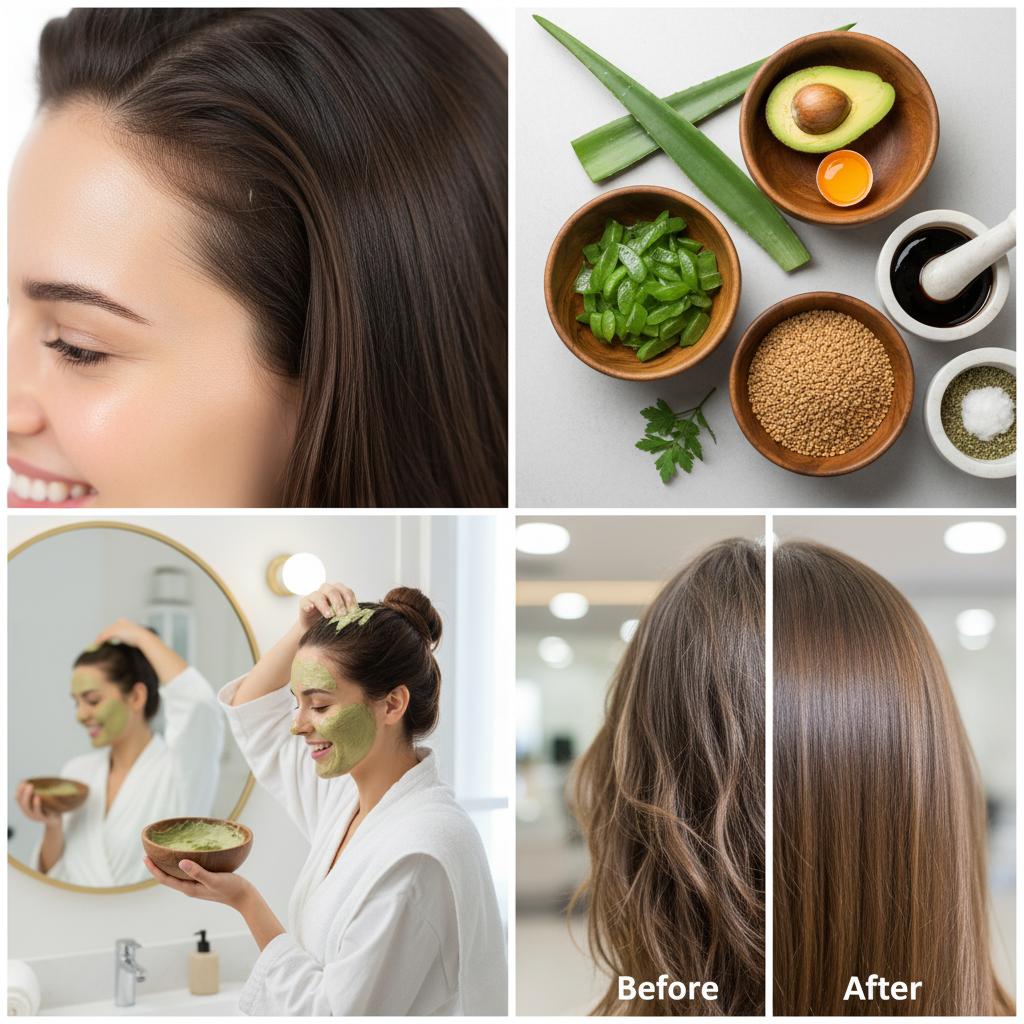
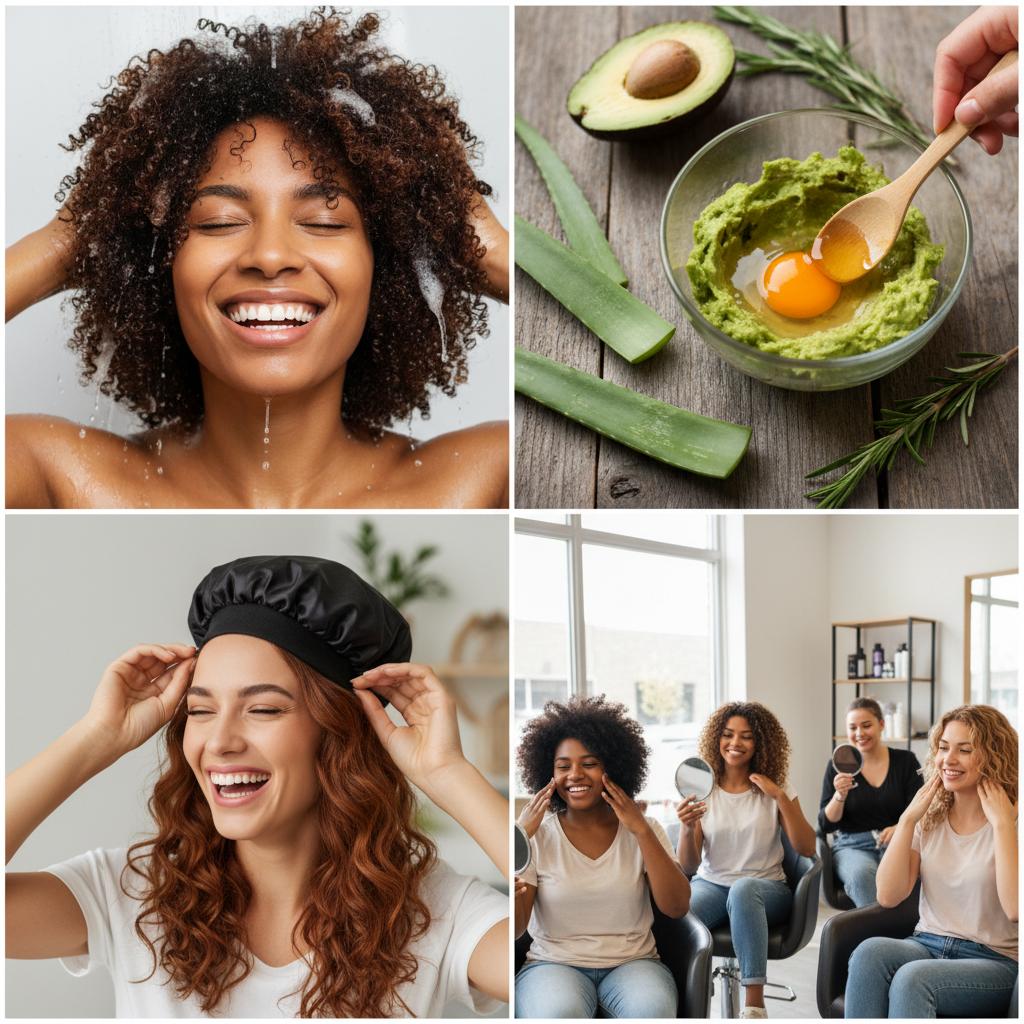
- For Moisture: Mash half an avocado with a tablespoon of olive oil. Apply to hair, leave for 20 minutes, then rinse and cleanse as usual.
- For Shine: Mix two tablespoons of plain yogurt with one tablespoon of honey. This mask adds moisture and shine.
Nourishing Curls from the Inside Out: Nutrition and Lifestyle
Healthy hair starts from within. No amount of product can make up for a poor diet or unhealthy lifestyle.
The Link Between Diet and Hair Health
Ensure your diet is rich in proteins, vitamins, and minerals. Foods like eggs, fish, leafy greens, nuts, and fruits provide the building blocks for strong, healthy hair. Biotin, iron, and zinc are particularly important for hair growth.
Hydration and Stress Management
Drinking plenty of water is crucial for hydrating your body, including your hair. Additionally, high stress levels can contribute to hair shedding and poor hair health. Incorporate stress-management techniques like exercise, meditation, or hobbies into your routine.
Common Curly Hair Pitfalls (and How to Fix Them)
Even with the best intentions, it’s easy to make mistakes. Here are some common issues and their solutions.
- Using Terrycloth Towels: The rough texture of terrycloth towels can disrupt your curl pattern and cause major frizz. Switch to a microfiber towel or an old t-shirt to gently scrunch out excess water.
- Touching Your Hair While It Dries: This is a primary cause of frizz. Once you’ve styled your hair, keep your hands off until it is 100% dry.
- Not Using Enough Product: Curly hair is thirsty! It often needs more product than you think to be properly moisturized and defined. If your results are frizzy, try using more conditioner or styling cream next time.
Decoding Product Labels: A Quick Guide
Navigating the world of hair products can be overwhelming. Here’s a quick checklist of what to look for and what to avoid.
Key Ingredients to Look For
- Humectants: (e.g., glycerin, honey) attract moisture from the air.
- Emollients: (e.g., shea butter, oils) create a barrier to seal in moisture.
- Proteins: (e.g., keratin, silk protein) can help strengthen high-porosity or damaged hair.
Ingredients to Approach with Caution
- Sulfates: (e.g., Sodium Lauryl Sulfate) are harsh detergents that can strip natural oils.
- Drying Alcohols: (e.g., Alcohol Denat, Isopropyl Alcohol) can dehydrate curls.
- Silicones: (e.g., Dimethicone) can build up on the hair, requiring a clarifying shampoo to remove. They are not all “bad,” but it’s important to be aware of them.
In a Pinch: Quick Fixes for Bad Curl Days
We all have them. Here are some emergency curly hair tips for when your curls just won’t cooperate.
- Taming Unexpected Frizz: Rub a tiny amount of hair gel or cream between your wet hands and gently smooth it over the frizzy areas.
- Reviving Limp Curls: Flip your head upside down and use a hair pick or your fingers to fluff the roots for instant volume. You can also lightly mist a single curl with water and finger-coil it to bring it back to life.
Sample Curly Hair Routines for Your 2025 Lifestyle
Consistency is key. Here are some sample routines to adapt to your lifestyle, helping you apply these curly hair tips effectively in 2025.
| Routine Type | Wash Day (1-2x per week) | Refresh Days (Daily) | Weekly |
|---|---|---|---|
| Low-Maintenance | Co-wash/Low-poo, condition, leave-in conditioner. Air-dry. | Lightly mist with water, scrunch, and go. | Deep condition for 15 minutes. |
| Active Lifestyle | Clarify more often if needed. Use a gel with strong hold. | Use a spray with leave-in to rehydrate post-workout. Pineapple during exercise. | Protein treatment if hair feels limp from sweat/frequent washing. |
| Full Styling Day | Low-poo, condition (squish to condish), apply leave-in, curl cream, and gel on soaking wet hair. Diffuse for volume and hold. | Targeted misting on specific curls, smooth frizz with a tiny bit of cream. | Deep condition for 30 minutes with heat. |
Embracing your natural curls is a journey of discovery. By understanding the science behind your hair and implementing a consistent, nurturing routine, you can unlock its full potential. Be patient, listen to what your hair needs, and enjoy the beautiful, unique texture that is all your own.