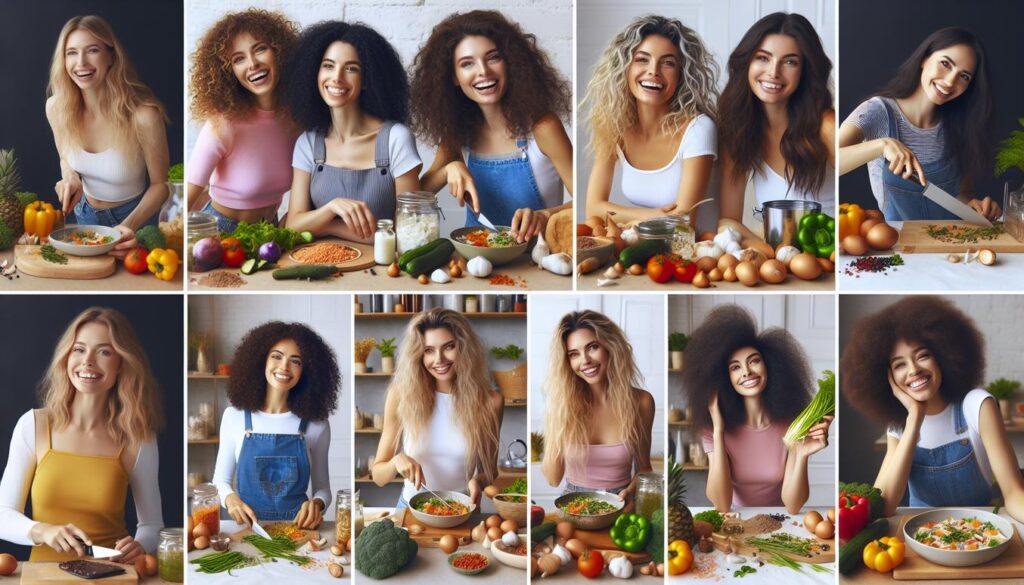
Introduction: Why Your Curls Crave the Right Nutrition
We’ve all been there: spending countless hours and a small fortune on the perfect creams, gels, and conditioners, all in pursuit of defined, frizz-free, and bouncy curls. But what if the most powerful tool for transforming your hair wasn’t on your bathroom shelf, but in your kitchen pantry? The secret to unlocking your curls’ true potential lies in curly hair nutrition. The food you eat provides the fundamental building blocks for every single strand on your head. A diet rich in specific vitamins, minerals, and macronutrients can promote strength, elasticity, and shine from the inside out, creating a foundation that even the best products can only enhance.
This comprehensive guide will shift your focus from topical treatments to internal nourishment. We will explore the unique nutritional demands of curly hair, identify the key nutrients that make curls thrive, and provide actionable strategies—from meal swaps to a full 7-day eating plan—to help you feed your hair what it truly needs. Get ready to build your best curls ever, starting with your next meal.
How Curl Structure Changes Nutrient Needs
To understand why curly hair nutrition is so crucial, we first need to look at the unique biology of a curl. Unlike straight hair, which grows from a round follicle, curly hair emerges from an oval-shaped follicle. This oval shape causes the hair strand to grow out at an angle and curve, creating its beautiful twists and turns.
However, this unique structure also presents challenges:
- Prone to Dryness: The natural oils (sebum) produced by your scalp have a harder time traveling down the winding path of a curly hair shaft. This often leaves the mid-lengths and ends dehydrated and craving moisture.
- Fragile Cuticle: At every bend and curve of a curl, the cuticle (the hair’s protective outer layer) is slightly raised. This creates weak points along the strand, making it more susceptible to breakage, splitting, and frizz.
These structural characteristics mean that curly hair has a higher demand for nutrients that support moisture retention, strength, and elasticity. A targeted diet can directly address these needs by reinforcing the hair structure from its very core—the follicle.
Essential Nutrients for Resilient Curls
Building strong, hydrated curls requires a full spectrum of nutrients. Think of these as the construction crew for your hair. Here are the most important players in your curly hair nutrition plan.
Vitamins for Vibrancy and Growth
- Biotin (Vitamin B7): Often called the “hair growth vitamin,” biotin is essential for producing keratin, the protein that makes up over 90% of your hair. A deficiency can lead to brittleness and thinning.
- Vitamin C: This powerful antioxidant helps protect hair follicles from damage by free radicals. It’s also vital for creating collagen, a protein that strengthens hair and improves its elasticity.
- Vitamin E: Another potent antioxidant, Vitamin E helps maintain a healthy scalp by reducing oxidative stress. A healthy scalp is the foundation for healthy hair growth.
- Vitamin A: This vitamin helps your scalp produce sebum, the natural oil that moisturizes your hair. A balanced amount is key—too little can lead to dryness, while too much can have adverse effects.
Minerals for Strength and Repair
- Iron: Iron is critical for producing hemoglobin, which carries oxygen to all your body’s cells, including the hair follicles. Low iron levels (anemia) are a common cause of hair shedding.
- Zinc: This mineral plays a crucial role in hair tissue growth and repair. It also helps keep the oil glands around the follicles working properly.
- Silica: Found in foods like leafy greens and bell peppers, silica helps deliver essential nutrients to your hair follicles and is thought to improve hair strength and elasticity, reducing breakage.
Macronutrients: The Building Blocks
- Protein: Since hair is primarily made of protein (keratin), consuming adequate amounts is non-negotiable. Protein provides the literal building blocks for strong, resilient strands.
- Healthy Fats (Omega-3s): Omega-3 fatty acids are vital for scalp health. They nourish hair follicles, support sebum production, and have anti-inflammatory properties that can promote a healthy growth environment.
- Complex Carbohydrates: Don’t fear carbs! Whole grains and vegetables provide the steady energy your body needs to fuel cell growth, including the cells that create your hair.
Top Foods to Boost Curl Strength and Moisture
Now that you know the key nutrients, let’s look at where to find them. Incorporating these foods into your diet is a delicious way to practice good curly hair nutrition.
| Food Group | Examples | Key Curl Nutrients |
|---|---|---|
| Fatty Fish | Salmon, mackerel, sardines | Omega-3s, Protein, Vitamin D |
| Eggs | Pasture-raised or omega-3 enriched | Protein, Biotin, Zinc |
| Leafy Greens | Spinach, kale, Swiss chard | Iron, Vitamin A, Vitamin C, Silica |
| Nuts and Seeds | Walnuts, almonds, flaxseeds, chia seeds | Omega-3s, Zinc, Vitamin E |
| Avocado | Hass avocado | Healthy Fats, Vitamin E, Vitamin C |
| Berries and Citrus | Blueberries, strawberries, oranges, kiwi | Vitamin C, Antioxidants |
| Legumes | Lentils, chickpeas, black beans | Protein, Iron, Zinc, Biotin |
| Sweet Potatoes | Sweet potatoes, carrots, pumpkin | Beta-carotene (converts to Vitamin A) |
Easy Meals and Snacks That Support Curl Health
You don’t need to be a gourmet chef to eat for your curls. The key is to combine nutrient-dense foods in simple, enjoyable ways. Here are some easy ideas:
- Breakfast Swap: Instead of a plain bagel, try whole-grain toast topped with mashed avocado and a sprinkle of hemp seeds for healthy fats and protein.
- Lunch Upgrade: Transform a simple salad by adding a hard-boiled egg for biotin, chickpeas for plant-based protein, and a handful of walnuts for omega-3s.
- Smart Snacking: Ditch the chips and grab a handful of almonds and a small orange. You’ll get a dose of Vitamin E, zinc, and a powerful boost of Vitamin C. Another great option is Greek yogurt with a swirl of chia seeds and some fresh berries.
Simple Recipes for Your Curls: Breakfast, Lunch, Snack and Dinner Ideas
Here are four simple recipes packed with curl-loving nutrients to get you started on your journey to better curly hair nutrition.
Curl Power Smoothie (Breakfast)
- Ingredients: 1 large handful of fresh spinach, 1/2 cup mixed frozen berries, 1/2 banana, 1 scoop of unflavored or vanilla protein powder, 1 tablespoon of ground flaxseed, 1 cup of unsweetened almond milk.
- Instructions: Combine all ingredients in a blender and blend until smooth. Add more almond milk if needed to reach your desired consistency.
Quinoa and Black Bean Salad (Lunch)
- Ingredients: 1 cup cooked quinoa, 1 can (15 oz) of black beans (rinsed), 1 chopped red bell pepper, 1/4 cup chopped red onion, 1/2 avocado (diced), a handful of chopped cilantro. For the dressing: juice of 1 lime, 2 tablespoons of olive oil, salt, and pepper.
- Instructions: In a large bowl, combine the quinoa, black beans, bell pepper, onion, and cilantro. In a small bowl, whisk together the lime juice, olive oil, salt, and pepper. Pour the dressing over the salad, toss gently, and top with diced avocado before serving.
Spiced Roasted Chickpeas (Snack)
- Ingredients: 1 can (15 oz) of chickpeas (rinsed and patted very dry), 1 tablespoon of olive oil, 1/2 teaspoon of paprika, 1/4 teaspoon of cumin, a pinch of salt.
- Instructions: Preheat oven to 400°F (200°C). Toss the dry chickpeas with olive oil and spices until evenly coated. Spread in a single layer on a baking sheet. Roast for 20-25 minutes, shaking the pan halfway through, until crispy.
Sheet Pan Lemon-Herb Salmon with Asparagus (Dinner)
- Ingredients: 2 salmon fillets, 1 bunch of asparagus (trimmed), 1 lemon (half sliced, half for juice), 2 tablespoons of olive oil, 1 teaspoon of dried herbs (like dill or oregano), salt, and pepper.
- Instructions: Preheat oven to 400°F (200°C). Place salmon and asparagus on a baking sheet. Drizzle with olive oil, lemon juice, herbs, salt, and pepper. Toss the asparagus to coat. Place lemon slices on top of the salmon. Bake for 12-15 minutes, or until the salmon is cooked through and flakes easily.
Supplements: When to Consider Them and What to Look For
While a food-first approach is always best for curly hair nutrition, supplements can play a supportive role in certain situations. Consider them if you have dietary restrictions (e.g., vegan or vegetarian), a known nutrient deficiency confirmed by a doctor, or specific health conditions that affect nutrient absorption.
Before starting any supplement, always consult with a healthcare professional to determine the right dosage and ensure it’s safe for you. For the 2025 curl care strategy and beyond, focus on targeted support rather than generic “hair, skin, and nails” formulas. Look for supplements that provide specific nutrients you might be lacking, such as:
- Iron
- Vitamin D
- Zinc
- Biotin
For reliable, evidence-based information on individual supplements, consult resources like the National Institutes of Health’s Office of Dietary Supplements.
Daily Habits That Complement a Curl-Friendly Diet
Nutrition is the foundation, but these daily habits will help you get the most out of your efforts.
- Stay Hydrated: Water is essential for overall health and helps transport nutrients to your hair follicles. Dehydration can lead to dry, brittle hair. Aim for adequate water intake throughout the day.
- Manage Stress: Chronic stress can disrupt your hormonal balance and may contribute to hair shedding (a condition known as telogen effluvium). Incorporate stress-reducing activities like yoga, meditation, or walking into your routine.
- Gentle Scalp Massage: When washing your hair, use your fingertips to gently massage your scalp. This can help stimulate blood flow, ensuring that all those wonderful nutrients you’re eating are delivered directly to your hair follicles.
DIY Topical Food-Based Treatments to Try at Home
While internal nutrition is paramount, you can also use some of these curl-loving foods topically for an extra boost of moisture and protein. Always do a patch test on your skin before applying a new mixture to your hair and scalp.
- Avocado and Olive Oil Deep Conditioner: Mash half a ripe avocado with one tablespoon of olive oil. Apply to clean, damp hair, focusing on the ends. Leave on for 20-30 minutes before rinsing thoroughly. This mask is packed with healthy fats and Vitamin E for intense moisture.
- Yogurt and Honey Hydrating Mask: Mix 1/2 cup of plain, full-fat Greek yogurt with one tablespoon of honey. The lactic acid in yogurt gently cleanses while the protein strengthens, and honey acts as a natural humectant, drawing moisture into the hair. Apply to hair, leave for 15-20 minutes, and rinse.
Signs Your Diet Might Be Affecting Your Curls
Your curls can often be the first indicator that something is amiss in your diet. Pay attention to these warning signs:
- Increased Dryness and Brittleness: If your curls suddenly feel like straw and are snapping easily despite using moisturizing products, you may be lacking healthy fats or sufficient hydration.
- Excessive Shedding: While shedding around 50-100 hairs a day is normal, a noticeable increase could be linked to deficiencies in iron, zinc, or protein.
- Lack of Shine and Vibrancy: Dull, lifeless curls can be a sign that your diet is low in the essential vitamins and antioxidants needed to protect hair from environmental damage.
- Slower Growth: If you feel like your hair has hit a growth plateau, it might not be receiving the energy and building blocks it needs from a balanced diet.
7-Day Sample Meal Plan for Curl Health
This sample plan is a starting point to inspire your own journey in curly hair nutrition. Adjust portions based on your individual needs and feel free to swap in other nutrient-dense foods.
| Day | Breakfast | Lunch | Dinner | Snack |
|---|---|---|---|---|
| Monday | Scrambled eggs with spinach and a side of whole-grain toast. | Quinoa and Black Bean Salad (from recipe above). | Baked chicken breast with roasted sweet potatoes and broccoli. | Apple slices with almond butter. |
| Tuesday | Greek yogurt with berries, chia seeds, and a sprinkle of walnuts. | Leftover baked chicken and veggies in a whole-wheat wrap. | Lentil soup with a side salad. | A handful of almonds. |
| Wednesday | Curl Power Smoothie (from recipe above). | Tuna salad (made with Greek yogurt instead of mayo) on whole-grain crackers with cucumber slices. | Sheet Pan Lemon-Herb Salmon with Asparagus (from recipe above). | A small orange. |
| Thursday | Oatmeal made with milk or a fortified alternative, topped with flaxseeds and banana slices. | Leftover lentil soup. | Turkey meatballs with zucchini noodles and tomato sauce. | Roasted Chickpeas (from recipe above). |
| Friday | Whole-grain toast with mashed avocado and a hard-boiled egg. | Large spinach salad with grilled salmon, bell peppers, and a light vinaigrette. | Bean and veggie stir-fry with brown rice. | Pear with a small piece of dark chocolate. |
| Saturday | Whole-wheat pancakes topped with fresh berries and a drizzle of maple syrup. | Leftover stir-fry. | Homemade veggie and chicken pizza on a whole-wheat crust. | Carrot sticks with hummus. |
| Sunday | Omelet with cheese, mushrooms, and bell peppers. | Large mixed green salad with leftover chicken and various veggies. | Roast chicken with a side of kale and quinoa. | Greek yogurt. |
Frequently Asked Questions
How long does it take to see changes in my hair from diet?
Patience is key. Hair grows about half an inch per month on average. Since nutrition affects the new hair growing from the follicle, it can take 3-6 months to notice significant changes in the strength, texture, and shine of the new growth.
Can a poor diet cause my hair to lose its curl?
While diet is unlikely to change your fundamental curl pattern (which is genetically determined), severe nutrient deficiencies can weaken the hair structure. This can lead to limp, lifeless strands that don’t hold their curl shape as well, creating the appearance of a looser or less defined pattern.
Is there one “superfood” for curly hair?
No single food holds the magic key. The best approach to curly hair nutrition is a balanced and varied diet. However, if you had to pick one powerhouse, eggs are a fantastic choice because they deliver high-quality protein and biotin, two of the most critical nutrients for hair health.
Conclusion: Your Journey to Nutritionally-Fed Curls
Embracing a nutrition-first approach is the most sustainable and effective way to achieve the healthy, resilient curls you’ve always wanted. While conditioners and stylers play their part, they can only work on the hair you already have. True, lasting hair health begins on your plate. By focusing on a balanced diet rich in protein, healthy fats, vitamins, and minerals, you provide your body with the exact resources it needs to build strong, hydrated, and vibrant curls from the follicle up.
Start small by incorporating one new curl-friendly food or recipe into your week. Pay attention to how you feel and how your new growth looks and feels over time. Consistency is your greatest ally. Your journey to mastering curly hair nutrition is a powerful act of self-care that will pay dividends in the health and beauty of your hair for years to come.
Further Reading and Evidence
- NHS – Eat well: For comprehensive, government-backed advice on maintaining a healthy, balanced diet, visit the NHS Eat well guide.
- PubMed Central: To explore the scientific research linking diet, nutrition, and hair health, browse the extensive database of studies at PubMed.
- NIH Office of Dietary Supplements: For factual, unbiased information on vitamins, minerals, and other dietary supplements, refer to the National Institutes of Health Office of Dietary Supplements.