
Table of Contents
- Introduction: Rethinking Curl Care with Food
- How Hair Structure and Curls Respond to Nutrition
- Key Nutrients That Matter for Textured Hair
- Food-First Sources: Meals and Snacks for Curl Health
- Sample Weekly Meal Plan Tailored for Curl Support
- When to Consider Supplements and Safety Notes
- Hydration and Its Direct Impact on Curl Definition
- Combining Nutrition with At-Home Curl Routines
- Easy DIY Curly-Hair Meal Ideas and Recipes
- Monitoring Progress: What to Expect and When to Adjust
- Common Myths About Diet and Curly Hair Debunked
- FAQ: Quick Answers to Reader Questions
- Rich Hair UK Resources and Further Reading
- Conclusion: Practical Next Steps for Stronger Curls
Introduction: Rethinking Curl Care with Food
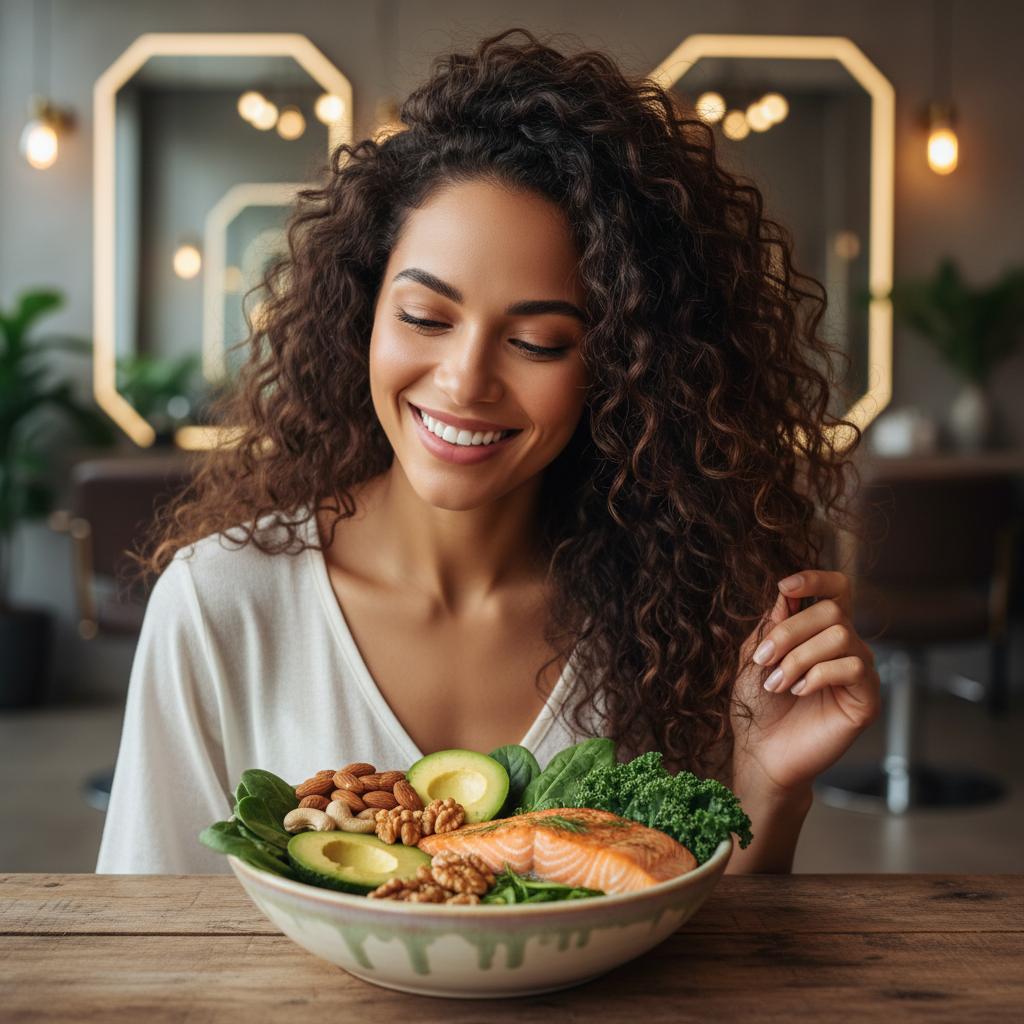
For years, the conversation around beautiful, defined curls has revolved around a cabinet full of creams, gels, and conditioners. We’ve perfected the art of the pre-poo, the deep condition, and the plopping method. But what if the secret to unlocking your curls’ true potential isn’t just on your head, but on your plate? Welcome to the world of curly hair nutrition, a foundational approach that builds strong, resilient, and vibrant curls from the inside out.
While topical products are essential for managing and styling, they primarily work on the hair shaft that has already grown. True, long-lasting hair health starts in the follicle, the tiny powerhouse beneath your scalp responsible for creating every strand. By focusing on a nutrient-rich diet, you provide your body with the essential building blocks it needs to construct healthier, more defined curls. This guide will walk you through the science, the foods, and the strategies to transform your hair through the power of nutrition.
How Hair Structure and Curls Respond to Nutrition
To understand why curly hair nutrition is so effective, we need a quick look at hair science. Each strand of hair is primarily made of a protein called keratin. This protein structure is built and maintained by the hair follicle, which is connected to your bloodstream. Your blood delivers all the vitamins, minerals, and macronutrients from the food you eat directly to these follicles.
When your diet is lacking, your body prioritises sending nutrients to essential organs, leaving your hair follicles with the leftovers. This can result in weaker keratin bonds, leading to hair that is brittle, prone to breakage, and less able to hold its natural curl pattern. Conversely, a diet rich in specific nutrients fortifies the follicle, promotes robust keratin production, and supports the sebaceous glands in producing sebum (your scalp’s natural oil), which is crucial for moisturising naturally dry curly hair.
Key Nutrients That Matter for Textured Hair
Not all nutrients are created equal when it comes to hair health. For curly and textured hair, which is often more fragile, certain vitamins and minerals are superstars. Here are the non-negotiables for your diet.
Protein: The Master Builder
Since hair is made of protein, consuming adequate amounts is fundamental. Protein provides the amino acids, like cysteine and methionine, that are the direct building blocks of keratin. A deficiency can lead to hair loss and weakened strands.
- Top Sources: Lean meats (chicken, turkey), fish, eggs, dairy products, lentils, chickpeas, tofu, and quinoa.
Iron: The Oxygen Transporter
Iron helps red blood cells carry oxygen to your cells, including your hair follicles. Low iron levels (anaemia) are a well-documented cause of hair shedding and thinning. This is especially important for those who menstruate.
- Top Sources: Red meat, spinach, lentils, fortified cereals, and pumpkin seeds. Pair with Vitamin C for better absorption.
Omega-3 Fatty Acids: The Hydration Hero
These healthy fats are crucial for scalp health. They line the cells of the scalp, helping to produce the oils that keep your scalp and hair hydrated. This is vital for curly hair, which struggles to transport sebum down the hair shaft.
- Top Sources: Oily fish (salmon, mackerel, sardines), flaxseeds, chia seeds, walnuts, and avocados.
Biotin (Vitamin B7): The Keratin Producer
Biotin is famous for its role in hair health. It’s a B-vitamin that plays a key part in producing keratin. While true deficiency is rare, ensuring a steady supply supports strong hair growth.
- Top Sources: Eggs (especially the yolk), almonds, sweet potatoes, and salmon.
Vitamins A, C, D, and E: The Protective Team
- Vitamin A: Helps glands make sebum, the oily substance that moisturises the scalp and keeps hair healthy. Find it in sweet potatoes, carrots, and spinach.
- Vitamin C: A powerful antioxidant that protects against free radical damage. It’s also essential for creating collagen and helps your body absorb iron. Get it from citrus fruits, bell peppers, and strawberries.
- Vitamin D: Low levels of Vitamin D have been linked to hair loss. It helps create new follicles. Your body produces it from sun exposure, but it’s also in fatty fish and fortified foods.
- Vitamin E: Another antioxidant that helps prevent oxidative stress. It can also boost circulation to the scalp. Find it in sunflower seeds, almonds, and avocados.
Zinc: The Repair and Growth Regulator
Zinc plays an important role in hair tissue growth and repair. It also helps keep the oil glands around the follicles working properly. Hair loss is a common symptom of a zinc deficiency.
- Top Sources: Oysters, beef, spinach, pumpkin seeds, and lentils.
Food-First Sources: Meals and Snacks for Curl Health
Translating these nutrients into meals is easier than it sounds. The goal is to build a plate that supports your curls. Here’s a quick-reference table:
| Nutrient | Breakfast Ideas | Lunch Ideas | Dinner Ideas | Snack Ideas |
|---|---|---|---|---|
| Protein | Greek yogurt, scrambled eggs | Grilled chicken salad, lentil soup | Baked salmon, tofu stir-fry | A handful of almonds, edamame |
| Iron | Fortified oatmeal with berries | Spinach salad with chickpeas | Lean beef with broccoli | Dried apricots, pumpkin seeds |
| Omega-3 | Chia seed pudding | Tuna salad with whole-wheat crackers | Mackerel with quinoa | Walnuts, flaxseed smoothie |
| Biotin | Omelette with spinach | Sweet potato and black bean bowl | Salmon with asparagus | Almonds, boiled egg |
| Vitamin C | Smoothie with strawberries and oranges | Salad with bell peppers | Broccoli as a side dish | Kiwi, orange slices |
Sample Weekly Meal Plan Tailored for Curl Support
Here’s what a few days focused on curly hair nutrition might look like. This is just a template—feel free to swap in your favourite foods from the lists above.
- Monday:
- Breakfast: Scrambled eggs with spinach and a side of avocado.
- Lunch: Large salad with grilled chicken, mixed greens, bell peppers, and a lemon-tahini dressing.
- Dinner: Baked salmon with roasted sweet potatoes and asparagus.
- Snack: Greek yogurt with a sprinkle of walnuts.
- Tuesday:
- Breakfast: Oatmeal made with milk, topped with berries and chia seeds.
- Lunch: Leftover salmon and sweet potatoes.
- Dinner: Lentil and vegetable curry with brown rice.
- Snack: An apple with almond butter.
- Wednesday:
- Breakfast: Smoothie with kale, banana, protein powder, and flaxseed.
- Lunch: Quinoa bowl with black beans, corn, avocado, and a lime dressing.
- Dinner: Turkey meatballs with whole-wheat pasta and a tomato-based sauce.
- Snack: A handful of pumpkin seeds.
When to Consider Supplements and Safety Notes
A food-first approach is always best. However, if you suspect a deficiency or have dietary restrictions (e.g., veganism, allergies), supplements might be helpful. It’s crucial to approach this with caution. Before starting any new supplement, especially high-dose biotin or iron, always consult with a healthcare professional or a registered dietitian. They can run blood tests to identify any actual deficiencies and recommend the correct dosage. Over-supplementing certain vitamins, like Vitamin A, can actually be harmful and lead to hair loss. Your health and safety are the top priority.
Hydration and Its Direct Impact on Curl Definition
We often focus on hydrating our curls with products, but internal hydration is just as important. Water makes up almost 25% of the weight of a single strand of hair. Dehydration can immediately halt hair growth and make strands brittle and dry from the inside out. For curls, this translates to less bounce, more frizz, and a dull appearance. Aim to drink plenty of water throughout the day. Herbal teas and water-rich foods like cucumber, celery, and watermelon also contribute to your overall hydration levels. Think of water as your most basic, yet most powerful, internal moisturiser.
Combining Nutrition with At-Home Curl Routines
The best curly hair nutrition strategies for 2026 and beyond involve syncing your diet with your wash day. This creates a holistic system where your internal efforts support your external care.
Pre-Wash and Nutrition
The day before or the morning of your wash day, focus on a meal rich in healthy fats and proteins. An avocado and egg toast or a salmon salad can help fortify your body. This ensures that when you clarify and deep-condition, the new growth being formed is already built from high-quality materials.
Post-Wash and Nutrition
After you’ve styled your curls, your body is in repair and growth mode. This is a great time for a nutrient-dense meal packed with iron and Vitamin C. A spinach and chickpea salad with lemon dressing or a lean steak with broccoli helps replenish your system and supports the absorption of iron, fuelling your follicles for the week ahead.
Easy DIY Curly-Hair Meal Ideas and Recipes
You don’t need to be a gourmet chef to eat for your curls. Simplicity is key.
- Curl-Power Breakfast Smoothie: Blend 1 scoop of protein powder, a large handful of spinach, half a banana, 1 tablespoon of almond butter, and 1 tablespoon of flaxseed with your milk of choice. It’s a complete meal packed with protein, iron, and omega-3s.
- Quick Quinoa Lunch Bowl: Mix 1 cup of cooked quinoa with a can of drained chickpeas, chopped cucumber, tomatoes, and parsley. Dress with a simple mix of olive oil, lemon juice, salt, and pepper. This is full of plant-based protein and vitamins.
- Nutrient-Dense Trail Mix Snack: Combine a handful of walnuts, almonds, pumpkin seeds, and a few dried apricots in a small bag. This snack delivers omega-3s, biotin, zinc, and iron for an afternoon pick-me-up.
Monitoring Progress: What to Expect and When to Adjust
Patience is essential. Hair grows, on average, about half an inch per month. This means you won’t see changes in the new hair reaching a noticeable length for at least two to three months. However, you might notice other benefits sooner:
- Weeks 2-4: You may notice less shedding and a healthier, more hydrated scalp.
- Months 2-3: New growth at the roots may feel stronger and look shinier.
- Months 6+: You should see a significant difference in the overall health, strength, and definition of your curls as the nurtured hair grows out.
If you aren’t seeing any changes after six months, it may be time to consult a doctor or a dermatologist to rule out other underlying health issues.
Common Myths About Diet and Curly Hair Debunked
- Myth 1: You can “eat” your way to a different curl pattern. Your curl pattern (3A, 4C, etc.) is genetically determined. A great diet won’t change your curls from wavy to coily, but it will help your natural pattern be as defined, healthy, and vibrant as possible.
- Myth 2: Taking a biotin supplement is all you need. While biotin is important, it’s just one piece of the puzzle. Hair health relies on a wide range of nutrients, and focusing on a single one while neglecting others like iron or protein won’t yield the best results.
- Myth 3: Bad food only affects your waistline, not your hair. Diets high in processed sugars and unhealthy fats can cause inflammation, which can negatively impact the hair follicle and overall scalp health, potentially leading to increased shedding.
FAQ: Quick Answers to Reader Questions
What is the single most important nutrient for curly hair?
While all are important, protein is arguably the most fundamental because it is what hair is physically made of. Without adequate protein, your body simply cannot build strong hair.
How long does it take for curly hair nutrition to work?
You may notice reduced shedding and improved scalp health in a few weeks, but visible changes to the hair itself will take 3-6 months as the new, healthier hair grows out.
Can my diet help with frizz?
Yes. A diet rich in omega-3 fatty acids and proper hydration helps your scalp produce the natural oils needed to moisturise hair. Well-moisturised hair is less prone to frizz.
Rich Hair UK Resources and Further Reading
For those who wish to explore the science of nutrition and hair health further, we recommend these trusted sources. They provide evidence-based information to support your journey towards healthier curls.
- PubMed: For in-depth scientific studies on the link between diet and hair health, you can search the PubMed database of biomedical research.
- NHS (National Health Service): For general, reliable advice on maintaining a healthy and balanced diet, the NHS Eatwell Guide is an excellent UK-based resource.
- National Institutes of Health (NIH): For detailed fact sheets on specific vitamins and minerals and their roles in the body, visit the NIH Office of Dietary Supplements.
Conclusion: Practical Next Steps for Stronger Curls
Embracing curly hair nutrition is about shifting your perspective—seeing food not just as fuel for your body, but as a core component of your hair care routine. It’s the ultimate deep conditioner, working from within to build the strong, shiny, and resilient curls you deserve. You don’t need a perfect diet overnight. Start small.
Your first step can be as simple as adding a handful of spinach to your morning smoothie or swapping a sugary snack for a handful of walnuts. By consistently making these small, nutrient-focused choices, you are laying the groundwork for a head of hair that is not just beautifully styled, but fundamentally healthy. Your curls will thank you for it.