
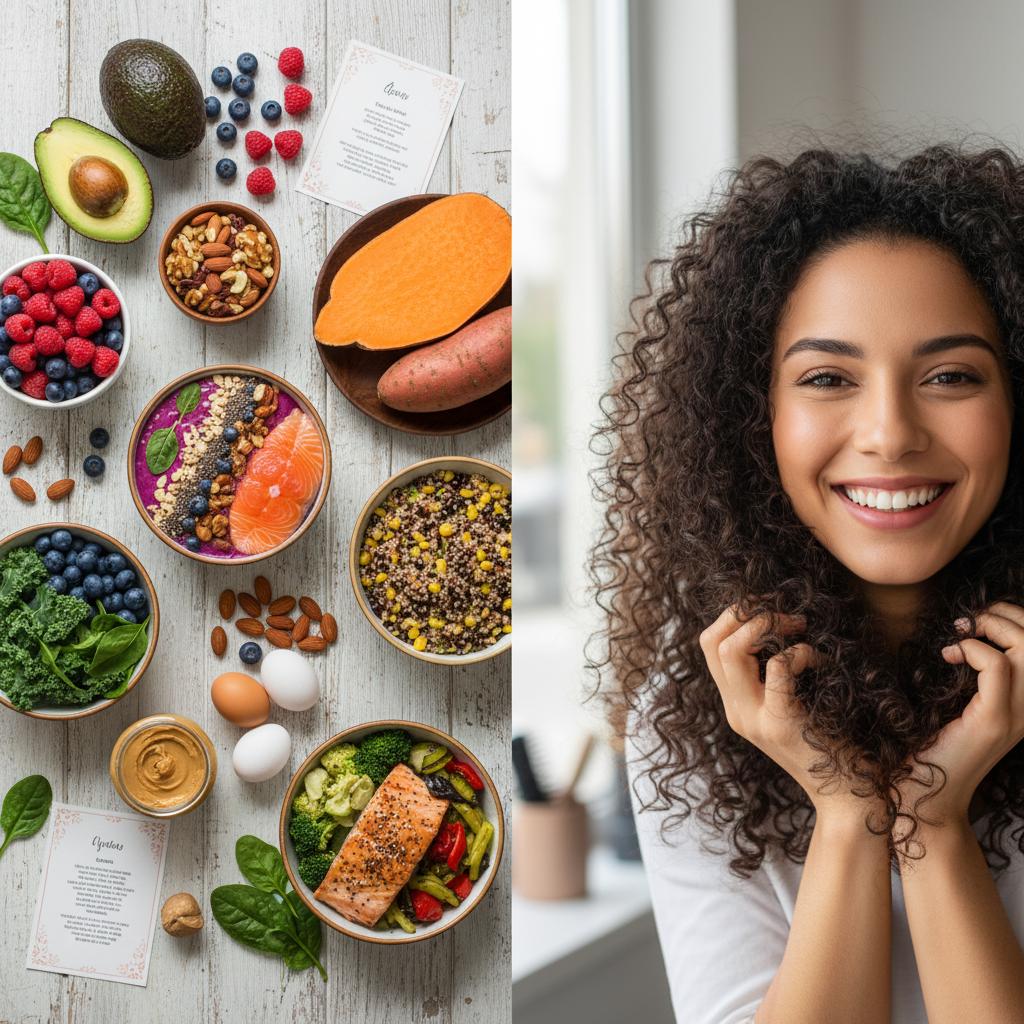
Introduction: Why Your Curls Crave More Than Just Conditioner
You’ve tried every curl cream, deep conditioner, and plopping technique out there, but do your curls still lack that consistent bounce, shine, and definition you dream of? The secret to unlocking your hair’s true potential might not be in your bathroom cabinet, but in your kitchen pantry. Welcome to the world of curly hair nutrition, a foundational approach that feeds your hair from the inside out.
Your hair is a direct reflection of your internal health. Just as your skin glows when you eat well, your curls can become more vibrant, strong, and manageable when you provide your body with the right building blocks. This guide will walk you through the essential connection between diet and curl health, giving you practical, easy-to-implement strategies to nourish your way to your best hair ever.
How Your Curl Structure Responds to Nutrients
To understand why curly hair nutrition is so crucial, we first need to look at what hair is made of. The unique bends and twists of curly hair make it more fragile and prone to dryness than straight hair. Nutrients play a direct role in reinforcing this delicate structure.
The Building Blocks: Keratin and Amino Acids
Your hair is primarily composed of a protein called keratin. To produce keratin, your body needs amino acids, which you get from eating protein-rich foods. Insufficient protein in your diet can lead to weak, brittle hair that struggles to hold its curl pattern. Think of it like building a house with weak bricks—it simply won’t be strong. A diet rich in complete proteins provides the essential amino acids needed for robust keratin production, forming the very foundation of strong, resilient curls.
Moisture and Elasticity: The Role of Lipids and Water
The S-shape of a curl strand makes it difficult for natural scalp oils (sebum) to travel down the hair shaft. This is why curly hair is often drier than straight hair. Essential fatty acids (lipids) and proper hydration are key to combating this. Lipids help to form a protective barrier around the hair shaft, sealing in moisture and boosting shine. Water, of course, is the ultimate internal hydrator, essential for maintaining the elasticity and flexibility that allows your curls to bounce back.
Key Vitamins and Minerals for Bouncy, Defined Curls
Certain micronutrients are powerhouses when it comes to hair health. Focusing on these in your diet can make a visible difference in the texture and strength of your curls.
For Strength and Growth
- Biotin (Vitamin B7): Often called the “hair growth vitamin,” biotin is crucial for keratin production. A deficiency can lead to hair thinning.
- Iron: This mineral is essential for producing hemoglobin, which carries oxygen to your cells for growth and repair, including the cells in your hair follicles. Low iron levels are a common cause of hair shedding.
- Zinc: Zinc plays a vital role in hair tissue growth and repair. It also helps keep the oil glands around the follicles working correctly, which is especially important for moisturizing curly strands.
For Scalp Health and Sebum Production
- Vitamin A: All cells need Vitamin A for growth, including hair. It also helps skin glands make sebum, the natural oil that moisturizes your scalp and helps keep your curls from becoming too dry.
- Vitamin E: Similar to Vitamin C, Vitamin E is an antioxidant that can help prevent oxidative stress. It supports a healthy scalp and can contribute to increased shine and vibrancy.
– Vitamin C: A powerful antioxidant, Vitamin C helps protect against damage from free radicals. Your body also needs it to create collagen, a protein that contributes to hair strength and prevents it from becoming brittle.
Top Whole Foods for Supreme Curl Strength and Shine
Incorporating nutrient-dense foods is the most effective way to improve your curly hair nutrition. Here are some of the best foods to add to your shopping list:
- Eggs: A fantastic source of protein and biotin, two of the most important nutrients for hair health.
- Berries: Loaded with Vitamin C and antioxidants, which protect hair follicles from damage.
- Spinach: Packed with folate, iron, and Vitamins A and C, all of which promote a healthy scalp and hair growth.
- Fatty Fish: Salmon, mackerel, and herring are excellent sources of omega-3 fatty acids, which have been linked to improved hair density and shine.
- Sweet Potatoes: A great source of beta-carotene, which the body converts into Vitamin A, essential for sebum production.
- Avocados: Rich in Vitamin E and essential fatty acids, avocados are a true superfood for moisturizing hair from within.
- Nuts and Seeds: Almonds, walnuts, and flaxseeds provide a wide variety of nutrients, including zinc, Vitamin E, and omega-3s.
Sample Weekly Meal Ideas for Optimal Curl Health
Eating for your curls doesn’t have to be complicated. Here’s a simple sample plan to show how easy it can be to incorporate these foods into your week. For more delicious ideas, check out this curly hair recipe collection.
| Day | Breakfast | Lunch | Dinner |
|---|---|---|---|
| Monday | Scrambled eggs with spinach and a side of whole-wheat toast. | Large salad with grilled chicken, mixed greens, avocado, and walnuts. | Baked salmon with roasted sweet potatoes and broccoli. |
| Wednesday | Greek yogurt with mixed berries and a sprinkle of flaxseeds. | Quinoa bowl with black beans, corn, bell peppers, and a lime dressing. | Lentil soup with a side of whole-grain bread. |
| Friday | Oatmeal made with milk or a fortified alternative, topped with almonds and banana. | Tuna salad (made with Greek yogurt) sandwich on whole-grain bread with a side of carrots. | Chicken and vegetable stir-fry with brown rice. |
Hydration, Fats, and Oils: The Inside-Out Approach
Moisture is the holy grail for curly hair. While topical products help, true, lasting hydration starts on the inside.
Drinking Your Way to Bouncy Curls
Water is a key ingredient for healthy hair. Dehydration can immediately impact your hair, leading to dryness and brittleness. Aim to drink plenty of water throughout the day. If you find plain water boring, try infusing it with lemon, cucumber, or mint to make it more appealing.
The Good Fats: Omega-3s and Beyond
Don’t fear fat! Healthy fats, particularly omega-3 fatty acids, are essential for scalp health and adding a natural sheen to your hair. They nourish the hair follicle and promote stronger growth. In addition to fatty fish, you can find them in flaxseeds, chia seeds, and walnuts.
Simple Kitchen-to-Shower: Nutrient-Rich Masks and Rinses
You can also apply the principles of curly hair nutrition topically with simple, homemade treatments. These masks deliver nutrients directly to the hair shaft and scalp.
- Avocado and Honey Moisture Mask: Mash half a ripe avocado and mix with one tablespoon of honey. Apply to clean, damp hair, focusing on the ends. Leave on for 20-30 minutes before rinsing thoroughly. Avocado provides healthy fats and Vitamin E, while honey is a natural humectant that draws in moisture.
- Rice Water Strengthening Rinse: After cooking rice, save the starchy water. Let it cool, then pour it over your hair after shampooing. Let it sit for 10-15 minutes before rinsing and conditioning. The amino acids and vitamins in rice water can help strengthen the hair shaft and improve elasticity.
A 2025 Guide: When to Consider Supplements for Hair Health
While a food-first approach is always best, supplements can be beneficial in certain situations. The latest strategies for 2025 and beyond emphasize targeted supplementation based on actual needs, not just guesswork.
Who Might Need a Supplement?
If you have dietary restrictions (e.g., vegan or vegetarian), a known nutritional deficiency, or a medical condition that affects nutrient absorption, a supplement might be helpful. Common supplements for hair include biotin, iron, and zinc. However, it’s crucial to know that more is not always better. Excessive amounts of certain vitamins can be harmful.
Safety First: Consulting a Professional
Before starting any supplement regimen, always consult with a healthcare professional or a registered dietitian. They can run tests to identify any deficiencies and recommend the appropriate dosage. Self-prescribing can be ineffective and potentially dangerous.
Lifestyle Factors That Amplify Your Nutrition Benefits
A great diet works best when supported by a healthy lifestyle. These factors can enhance the benefits of your curly hair nutrition plan.
- Manage Stress: High stress levels can contribute to hair shedding. Incorporate stress-reducing activities like yoga, meditation, or even a daily walk.
- Get Enough Sleep: Your body repairs itself while you sleep, and this includes your hair follicles. Aim for 7-9 hours of quality sleep per night.
- Be Gentle: Curls are fragile. Use a microfiber towel or an old t-shirt to dry your hair, and sleep on a silk or satin pillowcase to reduce friction and frizz.
The Curl-Friendly Kitchen: A Simple Ingredient Swap Guide
Making small changes can have a big impact. Here are some easy swaps to make your meals more curl-friendly:
| Swap This | For This | Why It’s Better for Curls |
|---|---|---|
| Sugary Cereals | Oatmeal with Berries | Provides fiber, antioxidants, and sustained energy without the sugar crash that can lead to inflammation. |
| White Bread or Pasta | Whole-Grain Bread or Quinoa | Offers more B vitamins, zinc, and iron, which are stripped from refined grains. |
| Vegetable Oil | Olive Oil or Avocado Oil | Rich in healthy monounsaturated fats and antioxidants that support overall health. |
Common Myths About Diet and Curly Hair Debunked
There’s a lot of misinformation out there. Let’s clear up a few common myths about diet and hair.
- Myth 1: You can “feed” split ends. Reality: Once a hair strand is split, no food or product can permanently fuse it back together. A good diet can prevent future breakage, but the only cure for existing split ends is a trim.
- Myth 2: A single “miracle food” will transform your hair. Reality: Healthy hair is the result of a consistently balanced diet over time. While superfoods are great, overall dietary patterns matter more than any single ingredient.
- Myth 3: Greasy foods cause a greasy scalp. Reality: The oil on your scalp is sebum, and its production is regulated by hormones, not directly by the dietary fat you eat. However, a poor diet high in refined sugars can influence hormonal balance and potentially affect sebum production indirectly.
Quick Routine: Morning and Evening Food and Care Checklist
Integrate these simple steps into your daily routine to stay on track with your curly hair nutrition goals.
Morning Checklist
- Start the day with a large glass of water.
- Eat a protein-rich breakfast (e.g., eggs, Greek yogurt).
- Take any recommended supplements with your meal.
Evening Checklist
- Ensure your dinner includes a vegetable and a source of healthy fat.
- Drink a calming herbal tea to aid hydration and relaxation.
- Protect your curls overnight with a satin bonnet or pillowcase.
Frequently Asked Questions About Curly Hair Nutrition
How long does it take to see results from changing my diet?
Hair grows about half an inch per month, so be patient. You may notice improvements in scalp health and hair shininess within a few weeks, but it will likely take 2-3 months to see a significant difference in the new hair growing from the root.
Can my diet help with frizz?
Absolutely. Frizz is often a sign of dryness. A diet rich in healthy fats and adequate hydration helps moisturize the hair from the inside out, making the hair cuticle smoother and less prone to frizzing.
Is a vegan diet good for curly hair?
A well-planned vegan diet can be excellent for curly hair, as it’s often rich in vitamins and minerals from fruits, vegetables, and legumes. However, it’s crucial to ensure you’re getting enough iron, zinc, protein, and Vitamin B12. Consider incorporating fortified foods or consulting with a dietitian to cover all your nutritional bases.
Conclusion: Your Journey to Curls Nourished from Within
Transforming your curls begins with understanding that true health is an inside job. By focusing on curly hair nutrition, you are giving your body the essential tools it needs to build strong, resilient, and beautifully defined curls. A balanced diet rich in proteins, vitamins, and healthy fats is the ultimate foundation for any curly hair care routine.
Start with small, manageable changes to your diet and lifestyle. Pay attention to how your hair responds and celebrate the progress. Your journey to nourished, vibrant curls is a marathon, not a sprint, but the results are well worth the effort.
For more in-depth information and resources, explore these helpful links: