Table of Contents
- Introduction: The Foundation of Fabulous Curls
- Understanding Your Curls: Structure and Porosity
- The Building Blocks: Essential Nutrients for Resilient Curls
- Your Curly Hair Grocery List: Best Whole Foods
- Sample Daily Meal Plans for Thriving Curls
- Hydration and Electrolytes: Quenching Your Curls from Within
- A Guide to Supplements for Curly Hair
- Quick and Healthy Recipes for Your Curls
- Beyond the Plate: Lifestyle Partners to Nutrition
- Decoding Labels: How to Read Food Labels for Hair Health
- Common Myths About Curly Hair Nutrition Debunked
- Your 7-Day Curly Hair Nutrition Action Plan for 2025
- Frequently Asked Questions (FAQ)
- Conclusion: Your Journey to Healthier Curls Starts Now
Introduction: The Foundation of Fabulous Curls
You’ve perfected your wash-day routine, found your holy grail curl cream, and can plop your hair with your eyes closed. But what if the secret to your most vibrant, resilient, and defined curls isn’t in a bottle, but on your plate? While topical products are essential for styling and protection, the fundamental health of your hair is built from the inside out. This is the core of curly hair nutrition: a targeted approach to eating that provides your hair follicles with the precise building blocks they need to produce strong, healthy strands.
Why Diet Shapes Your Curls
Your hair is a non-essential tissue, which means in times of nutritional scarcity, your body will divert vital nutrients to your essential organs first. This can leave your hair follicles starved, resulting in slower growth, increased shedding, dullness, and breakage. For curly hair, which is already naturally more fragile and prone to dryness than straight hair, the impact of a poor diet is even more pronounced. A well-balanced diet rich in specific vitamins, minerals, proteins, and fats ensures your follicles are a top priority, leading to curls that are not just styled, but genuinely healthy and strong.
Understanding Your Curls: Structure and Porosity
Not all curls are created equal, and their unique characteristics influence their nutritional needs. Understanding your hair’s structure and porosity is key to customizing your curly hair nutrition plan for maximum impact.
How Curl Structure Influences Nutritional Needs
The shape of your hair follicle determines your curl pattern. A round follicle produces straight hair, while an oval or asymmetrical follicle produces wavy or curly hair. The twists and turns of a curly hair strand create raised points in the cuticle (the hair’s outer layer), making it more susceptible to moisture loss and damage. Tighter coils and kinks have more of these points, requiring a greater focus on internal hydration and healthy fats to maintain elasticity and prevent breakage.
The Role of Hair Porosity in Nutrient Absorption
Porosity refers to your hair’s ability to absorb and retain moisture. It’s arguably more important than curl pattern when it comes to diet.
- Low Porosity: The cuticles are tightly packed and flat. This hair type resists moisture, is prone to product buildup, and can be weighed down easily. Nutritionally, it benefits from a strong focus on hydration and water-soluble vitamins (like Vitamin C and B vitamins) rather than an over-reliance on heavy fats.
- High Porosity: The cuticles are raised or have gaps, allowing moisture to enter easily but also escape just as quickly. This hair is often dry, frizzy, and prone to breakage. A diet rich in proteins to fill in the gaps and healthy fats to seal the cuticle is crucial for managing high porosity hair.
The Building Blocks: Essential Nutrients for Resilient Curls
A balanced diet is key, but certain nutrients play a starring role in the science of curly hair nutrition. Scientific research on hair health, which can be explored on platforms like PubMed, consistently links specific nutrient deficiencies to hair problems like shedding and weakness.
Proteins: The Strength Factor
Hair is primarily made of a protein called keratin. Insufficient dietary protein can lead to weak, brittle hair that struggles to grow. Amino acids, the building blocks of protein, are essential. L-lysine, in particular, is an important amino acid that supports iron absorption and hair growth.
Healthy Fats: For Shine and Elasticity
Omega-3 and Omega-6 fatty acids are crucial for scalp health. They nourish the hair follicles, support the skin’s natural oil barrier, and add shine, elasticity, and flexibility to the hair shaft. A deficiency can lead to a dry, flaky scalp and dull, lifeless curls.
Vitamins: The Growth and Protection Crew
- Biotin (Vitamin B7): Famous for its role in hair health, biotin assists in keratin production.
- Vitamin C: A powerful antioxidant that protects hair follicles from oxidative stress. It’s also vital for creating collagen, a protein that strengthens hair, and helps with iron absorption.
- Vitamin D: Helps create new hair follicles, and a deficiency has been linked to hair loss.
- Vitamin E: Another potent antioxidant that helps prevent oxidative stress and supports a healthy scalp.
- Vitamin A: Helps glands in the scalp produce sebum, the natural oil that moisturizes your scalp and keeps hair healthy.
Minerals: The Unsung Heroes
- Iron: An iron deficiency (anemia) is a major cause of hair loss, as iron helps red blood cells carry oxygen to your cells, including hair follicles.
- Zinc: Plays a vital role in hair tissue growth and repair. It also helps keep the oil glands around the follicles working correctly.
- Selenium: A trace mineral that helps the body process proteins and acts as an antioxidant.
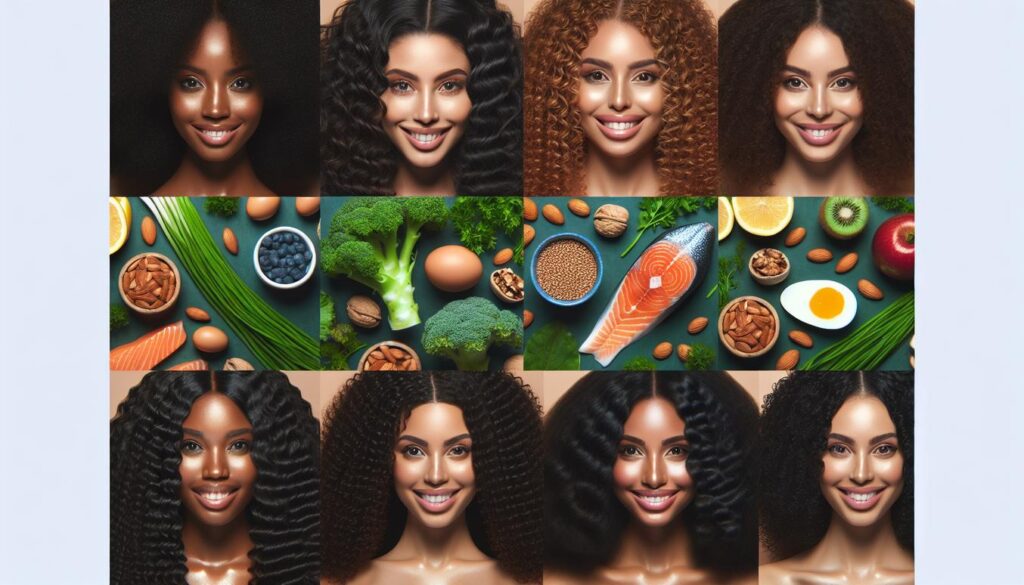
Your Curly Hair Grocery List: Best Whole Foods
Focusing on whole foods is the most effective way to incorporate these nutrients. Here’s a shopping list to kickstart your curly hair nutrition journey.
Protein Powerhouses
- Eggs (a great source of biotin and protein)
- Fatty fish like salmon and mackerel
- Lean poultry and meat
- Lentils and beans
- Greek yogurt
- Tofu and edamame
Fabulous Fats
- Avocados
- Nuts (walnuts, almonds)
- Seeds (flax, chia, pumpkin)
- Olive oil
Vitamin-Rich Vegetables and Fruits
- Spinach and other leafy greens (iron, Vitamin A, Vitamin C)
- Berries (antioxidants, Vitamin C)
- Sweet potatoes (beta-carotene, which converts to Vitamin A)
- Bell peppers (excellent source of Vitamin C)
- Citrus fruits (Vitamin C)
Mighty Minerals
- Oysters and beef (zinc)
- Lentils and spinach (iron)
- Brazil nuts (selenium – you only need one or two per day!)
- Pumpkin seeds (zinc and iron)
Sample Daily Meal Plans for Thriving Curls
Here are sample one-day meal plans tailored to different hair porosities. Remember, these are just templates. The goal is to incorporate nutrient-dense foods consistently. Following global dietary guidance from organizations like the World Health Organization (WHO) provides a solid foundation for overall health, which includes your hair.
| Meal | Low Porosity, Fine Curls Plan | High Porosity, Coarse Curls Plan |
|---|---|---|
| Breakfast | Scrambled eggs with spinach and a side of berries. Focus on lean protein and vitamins without heavy oils. | Greek yogurt with walnuts, chia seeds, and a drizzle of honey. Focus on protein and healthy fats. |
| Lunch | Large salad with grilled chicken, bell peppers, tomatoes, and a light vinaigrette. | Grilled salmon with quinoa and roasted sweet potatoes. A balanced meal rich in protein, omega-3s, and Vitamin A. |
| Snack | An apple with a small handful of almonds. | Half an avocado sprinkled with sea salt and pumpkin seeds. |
| Dinner | Lentil soup with a side of whole-grain bread. Plant-based protein and iron. | Stir-fry with beef, broccoli, and brown rice, using sesame oil for healthy fats. |
Hydration and Electrolytes: Quenching Your Curls from Within
Hydrated curls start with a hydrated body. Water is essential for transporting nutrients to your hair follicles. Aim for about 8 glasses (2 liters) a day, but don’t stop there.
Beyond Water: The Role of Electrolytes
Electrolytes like potassium, sodium, and magnesium help your body regulate hydration at a cellular level. Dehydration can lead to dry, brittle hair. You can get electrolytes from:
- Bananas and avocados (potassium)
- Leafy greens (magnesium)
- Coconut water
- A small pinch of high-quality sea salt in your water
A Guide to Supplements for Curly Hair
A food-first approach is always best for curly hair nutrition. However, sometimes supplements can help fill in gaps, especially if you have a diagnosed deficiency or dietary restrictions.
When to Consider Supplementation
Always consult a healthcare professional before starting any new supplement. A simple blood test can reveal deficiencies in key nutrients like iron, Vitamin D, and B12. Supplementing without a confirmed deficiency can be ineffective or even harmful.
Key Supplements and Safe Usage
- Iron: Only supplement if you are diagnosed with an iron deficiency. Take with a source of Vitamin C (like a small glass of orange juice) to enhance absorption.
- Biotin: Most people get enough biotin from their diet. High-dose supplements are only beneficial for those with a rare biotin deficiency.
- Vitamin D: A common deficiency, especially in colder climates. A supplement may be recommended by your doctor.
- Zinc: Supplementing can help with hair loss related to a zinc deficiency, but too much can be toxic. Stick to recommended dosages.
Quick and Healthy Recipes for Your Curls
Curl-Boosting Breakfast Smoothie
This smoothie is packed with everything your curls crave: protein, healthy fats, vitamins, and minerals.
Ingredients:
- 1 cup spinach
- 1/2 avocado
- 1/2 cup mixed berries (frozen)
- 1 scoop of protein powder or 2 tablespoons of Greek yogurt
- 1 tablespoon flax seeds
- 1 cup of unsweetened almond milk or water
Instructions: Blend all ingredients until smooth and enjoy immediately.
Hair-Happy Snack: Roasted Chickpeas
A crunchy, savory snack rich in protein and zinc.
Ingredients:
- 1 can of chickpeas, rinsed and dried thoroughly
- 1 tablespoon olive oil
- Spices of your choice (paprika, garlic powder, cumin)
- A pinch of salt
Instructions: Toss chickpeas with oil and spices. Roast at 400°F (200°C) for 20-30 minutes, or until crispy.
Beyond the Plate: Lifestyle Partners to Nutrition
A great diet works best when supported by a healthy lifestyle. These factors directly impact how well your body can utilize the nutrients you consume.
Sleep, Stress, and Your Strands
Chronic stress elevates cortisol levels, which can disrupt the hair growth cycle and lead to shedding (telogen effluvium). Prioritizing 7-9 hours of quality sleep per night allows your body to repair and regenerate, which is prime time for hair growth. Stress management techniques like meditation, yoga, or even a simple daily walk can make a significant difference.
The Importance of Scalp Care
Think of your scalp as the garden where your hair grows. A healthy scalp environment is crucial. Regular, gentle scalp massages can increase blood flow, helping to deliver all those wonderful nutrients from your diet directly to the hair follicles.
Decoding Labels: How to Read Food Labels for Hair Health
Navigating the grocery store can be overwhelming. Here are a few simple tips for reading labels with your hair in mind:
- Check the ingredients list: Look for whole foods at the beginning of the list.
- Identify key nutrients: Look for foods “high in” or an “excellent source of” iron, zinc, and Vitamin C.
- Watch for added sugars: High sugar intake can cause inflammation, which is detrimental to scalp and follicle health.
- Look for “whole grain”: Choose whole grains over refined grains for more B vitamins and fiber.
Common Myths About Curly Hair Nutrition Debunked
- Myth 1: You must take a biotin supplement for hair growth.
Reality: Biotin deficiency is rare. For most people, a balanced diet provides more than enough, and extra biotin won’t supercharge growth. - Myth 2: Eating gelatin or collagen directly builds stronger hair.
Reality: Your body breaks down these proteins into amino acids. It cannot send the collagen directly to your hair. Eating a variety of protein sources is more effective. - Myth 3: Specific “superfoods” will magically transform your hair overnight.
Reality: Consistency is key. No single food can fix your hair. A long-term, balanced approach to curly hair nutrition is what yields visible results.
Your 7-Day Curly Hair Nutrition Action Plan for 2025
Ready to start? Here’s a simple, practical plan for your first week.
- Day 1: Hydration Focus. Track your water intake and aim for 8 glasses. Add a slice of lemon or a few mint leaves for flavor.
- Day 2: Add Leafy Greens. Incorporate a handful of spinach into your breakfast smoothie or a side salad with your dinner.
- Day 3: Smart Snack Swap. Replace a processed snack (like chips or cookies) with a hair-healthy option like a handful of walnuts or an apple.
- Day 4: Protein Power. Ensure each of your three main meals contains a quality source of protein (e.g., eggs for breakfast, chicken for lunch, lentils for dinner).
- Day 5: Healthy Fat Friday. Add half an avocado to your lunch or sprinkle flax seeds on your yogurt.
- Day 6: Berry Boost. Add a cup of mixed berries to your breakfast or have them as a sweet, antioxidant-rich dessert.
- Day 7: Reflect and Plan. Note how you feel. What was easy? What was challenging? Plan one or two new healthy recipes to try next week.
Frequently Asked Questions (FAQ)
How long does it take to see results from improving my curly hair nutrition?
Patience is crucial. Hair grows about half an inch per month. You may start to notice improvements in scalp health, shine, and reduced shedding within 2-3 months, but it will take 6 months or more to see significant changes in the new hair growing in.
Can my diet change my curl pattern?
Your curl pattern is genetically determined. However, a poor diet can cause curls to become limp, weak, and undefined, making them appear looser. A nutrient-rich diet can help your curls reach their full, healthy potential, making them appear bouncier and more defined.
Is a vegetarian or vegan diet bad for curly hair?
Not at all! You can absolutely have healthy curls on a plant-based diet. You just need to be more mindful of getting enough iron, zinc, Vitamin B12, and complete proteins. Focus on lentils, beans, tofu, nuts, seeds, and fortified foods.
Conclusion: Your Journey to Healthier Curls Starts Now
Embracing curly hair nutrition is about shifting your perspective from just managing your curls to actively building them from their very foundation. By fueling your body with the right proteins, fats, vitamins, and minerals, you are investing in the long-term health, strength, and vibrancy of your hair. Start with small, consistent changes, listen to your body, and pair your nutritional efforts with a supportive lifestyle. Your most beautiful curls are not just waiting in a product bottle; they’re waiting on your next plate.