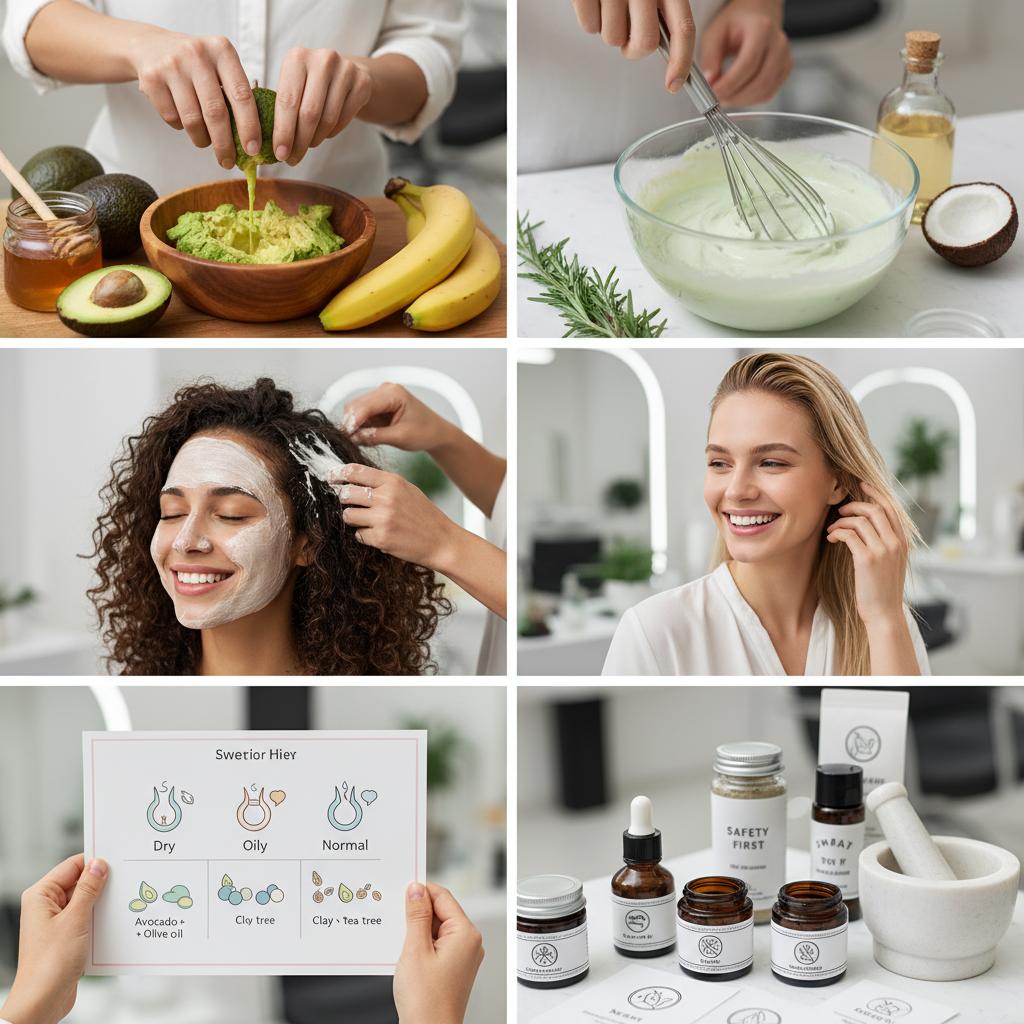
The Ultimate Guide to a DIY Hair Mask: Natural Recipes for Healthy Hair
Welcome to your complete guide to crafting the perfect DIY hair mask right from your kitchen. Forget expensive salon treatments with long, confusing ingredient lists. By making your own mask, you control exactly what goes on your hair, using fresh, natural ingredients to nourish your strands from root to tip. It’s cost-effective, fun, and incredibly rewarding to see the results of a treatment you made yourself. This guide will walk you through everything, from understanding your hair’s needs to creating custom recipes that deliver shine, moisture, and strength. Get ready to transform your hair care routine for 2026 and beyond!
Table of Contents
- Quick Hair Check: Identify Hair Type and Repair Goals
- Ingredient Science: What Oils, Proteins, and Acids Do for Strands
- Pantry Heroes: Everyday Ingredients and Their Specific Benefits
- Seasonal Swaps and Allergy-Friendly Substitutes
- Starter Recipes by Hair Type
- Nutrient-Focused Masks: Protein, Moisture, and Scalp Health
- Step-by-Step: How to Blend, Apply, and Time a Mask at Home
- Rinsing Technique and Post-Mask Care
- How Often to Use Masks and Building a Routine
- Troubleshooting Common Problems
- Safety First: Patch Testing and Avoiding Reactions
- FAQ: Short Answers to Common Questions
- Wrap Up: Tracking Results and Next Steps
Quick Hair Check: Identify Hair Type and Repair Goals
Before you start mixing, the most crucial step is understanding what your hair actually needs. A DIY hair mask that works wonders for your friend’s fine, oily hair might weigh down your thick, curly locks. Take a moment to assess your hair.
Identify Your Hair Type
- Porosity: How well does your hair absorb and retain moisture? To test, place a clean strand of hair in a glass of water. If it sinks quickly, you have high porosity (and may need sealing oils). If it floats, you have low porosity (and should opt for lighter ingredients).
- Texture: Is your hair fine, medium, or coarse? Fine hair gets weighed down easily, while coarse hair can handle richer, heavier ingredients.
- Condition: Is your hair generally oily, dry, or normal (a combination)? Do you have specific concerns like frizz, split ends, or dandruff?
For a deeper dive into understanding the unique characteristics of your hair, you can explore resources like Rich Hair UK, which offers insights into hair health.
Define Your Hair Repair Goals
What do you want your DIY hair mask to achieve? Be specific. Your goals could be:
- Intense hydration for dry, brittle strands.
- Strengthening and repair for damaged or color-treated hair.
- Scalp clarification to remove buildup and reduce oiliness.
- Frizz reduction and enhanced curl definition.
- Boosting shine and softness for dull-looking hair.
Ingredient Science: What Oils, Proteins, and Acids Do for Strands
Understanding the science behind common kitchen ingredients empowers you to create a truly effective DIY hair mask. Here’s a simple breakdown.
The Role of Oils (Lipids)
Oils are fantastic for sealing in moisture and adding shine. They create a protective barrier around the hair shaft, preventing water from escaping. Heavier oils like olive and castor are great for thick, high-porosity hair, while lighter oils like jojoba or almond are better for fine hair.
The Power of Proteins
Hair is made of a protein called keratin. When hair is damaged, it loses protein, leading to weakness and breakage. Ingredients like eggs, Greek yogurt, and gelatin temporarily patch the gaps in the hair cuticle, adding strength and structure. Be careful not to overdo it, as too much protein can make hair stiff.
The Magic of Acids and Humectants
Humectants, like honey and glycerin, are moisture magnets. They draw water from the air into your hair, providing hydration. Acids, such as apple cider vinegar or lemon juice (used sparingly!), help to close the hair cuticle. A sealed cuticle lies flat, which reflects more light (hello, shine!) and reduces frizz.
Pantry Heroes: Everyday Ingredients and Their Specific Benefits
Your kitchen is a treasure trove of hair-loving ingredients. Here are some of the most effective and accessible pantry staples for your next DIY hair mask.
| Ingredient | Primary Benefit | Best For |
|---|---|---|
| Avocado | Moisture and Nutrition | Dry, damaged, or frizzy hair |
| Banana | Softness and Elasticity | Brittle or weak hair |
| Greek Yogurt | Protein and Exfoliation | Dull, weak, or oily hair (lactic acid cleanses) |
| Egg | Protein and Strength | Fine, limp, or damaged hair (use yolk for moisture, white for oil control) |
| Honey | Moisture (Humectant) | Dry or dull hair |
| Coconut Oil | Moisture Sealing | Most hair types, especially dry and coarse (use sparingly on fine hair) |
| Olive Oil | Deep Conditioning | Thick, coarse, or very dry hair |
| Apple Cider Vinegar | Clarifying and Shine | Oily hair, buildup, or dull hair |
| Aloe Vera Gel | Hydration and Scalp Soothing | All hair types, especially irritated scalps |
Seasonal Swaps and Allergy-Friendly Substitutes
Keep your routine fresh and effective by using seasonal ingredients and making smart swaps for allergies.
Seasonal Ingredient Ideas
- Autumn: Pumpkin puree is rich in vitamins A and C. Mix it with honey for a nourishing fall treatment.
- Winter: Rich, fatty ingredients are key. Think shea butter or a deeply conditioning avocado and olive oil mask.
- Spring: Use fresh herbs like rosemary (steeped in oil) to stimulate the scalp for healthy growth.
- Summer: Berries like strawberries contain vitamin C, which can help with scalp health. Mash them with yogurt for a refreshing mask.
Common Allergies and Safe Swaps
- Nut Allergy: Instead of almond or argan oil, use sunflower, grapeseed, or jojoba oil.
- Egg Allergy: For protein, use Greek yogurt. For binding, use flaxseed gel (simmer 1 tbsp of flaxseeds in 1 cup of water until it forms a gel, then strain).
- Dairy Allergy: Swap Greek yogurt for a dairy-free coconut yogurt or use mashed banana for a creamy texture.
Starter DIY Hair Mask Recipes for Every Hair Type
Here are five simple, effective starter recipes. Blend all ingredients until smooth to avoid clumps in your hair.
For Dry, Thirsty Hair: The Ultimate Hydration Mask
- 1/2 ripe avocado
- 1 tablespoon olive oil
- 1 tablespoon honey
This mask is packed with healthy fats and humectants to deeply moisturize and add shine.
For Oily or Greasy Hair: The Balancing Clay Mask
- 2 tablespoons bentonite or kaolin clay
- 1 teaspoon apple cider vinegar
- Enough water to form a paste
This clarifying mask absorbs excess oil from the scalp and hair without stripping it completely.
For “Normal” Hair: The Maintenance and Shine Mask
- 1/2 cup plain Greek yogurt
- 1 tablespoon honey
- 1 teaspoon jojoba oil
This balanced DIY hair mask provides a bit of protein, moisture, and shine to keep hair healthy.
For Curly and Coily Hair: The Definition and Frizz-Control Mask
- 1 ripe banana
- 2 tablespoons aloe vera gel
- 1 tablespoon coconut oil
Banana provides elasticity while aloe vera and coconut oil hydrate and fight frizz, helping curls clump beautifully.
For Color-Treated Hair: The Vibrancy Protector Mask
- 1 egg yolk
- 2 tablespoons Greek yogurt
- 1 tablespoon avocado oil
The protein from the egg and yogurt strengthens processed hair, while the avocado oil adds moisture and shine without weighing it down.
Nutrient-Focused Masks: Protein, Moisture, and Scalp Health
When your hair sends a specific SOS signal, use a targeted treatment.
Protein-Rich Mask for Strength and Repair
Use when: Your hair feels overly soft, mushy when wet, or is breaking easily.Recipe: 1 egg, 2 tablespoons mayonnaise, 1 teaspoon olive oil. Use no more than once a month to avoid protein overload.
Intense Moisture Mask for Parched Strands
Use when: Your hair feels like straw, looks dull, and is prone to static and tangles.Recipe: 1/2 mashed banana, 2 tablespoons aloe vera gel, 1 tablespoon honey.
Soothing Scalp Health Mask
Use when: Your scalp is itchy, flaky, or irritated.Recipe: 2 tablespoons oatmeal (blended into a fine powder), 3 tablespoons warm water, 1 teaspoon honey. The oatmeal soothes while the honey provides antibacterial properties.
Step-by-Step: How to Blend, Apply, and Time a Mask at Home
Follow these steps for a mess-free and effective application.
Step 1: Gather and Blend Your Ingredients
Use a blender or food processor to ensure your mask is completely smooth. Lumps of banana or avocado can be difficult to rinse out.
Step 2: Prepare Your Hair
It’s best to apply your DIY hair mask to clean, damp, towel-dried hair. Shampoo your hair first to remove any product buildup, allowing the ingredients to penetrate effectively. Skip the conditioner.
Step 3: Application is Key
Section your hair into 4-6 parts. Apply the mask from the roots to the ends, ensuring every strand is coated. Use a wide-tooth comb to gently distribute the product evenly.
Step 4: Let it Marinate (Timing Your Mask)
Cover your hair with a shower cap or plastic wrap. This traps heat from your scalp, which helps open the hair cuticle and allows the mask to penetrate deeper. Leave the mask on for 20-30 minutes. Avoid leaving masks with egg or vinegar on for much longer, as they can have adverse effects.
Rinsing Technique and Post-Mask Care
How you rinse is just as important as the mask itself. Use lukewarm or cool water—never hot, which can strip moisture. If your mask contained egg, cool water is essential to prevent it from “scrambling” in your hair. Rinse thoroughly until the water runs clear. You may not need to follow up with a conditioner, but if your hair still feels a bit tangled, apply a small amount to your ends.
How Often to Use Masks and Building a Routine
Consistency is key for seeing long-term results. The ideal frequency depends on your hair’s needs:
- Dry or Damaged Hair: Once a week.
- Oily Hair: Once every two weeks, focusing on scalp-clarifying masks.
- Normal Hair: Once or twice a month for maintenance.
Listen to your hair. If it starts to feel heavy, greasy, or stiff, you may be over-masking or using a recipe that’s too rich for your hair type.
Troubleshooting Common DIY Hair Mask Issues
- “My hair feels greasy.” You may have used too much oil or a type of oil that was too heavy. Next time, reduce the amount of oil or switch to a lighter one like jojoba. Also, ensure you’re rinsing thoroughly.
- “It won’t wash out!” This usually happens when the mask isn’t blended smoothly. A thorough rinse with a light, sulfate-free shampoo should help.
- “My hair feels dry or brittle.” This can be a sign of protein overload. Take a break from masks with egg or yogurt and focus on purely moisturizing treatments with ingredients like aloe vera and honey.
Safety First: Patch Testing and Avoiding Reactions
Even natural ingredients can cause allergic reactions. Before applying any new DIY hair mask to your entire head, perform a patch test. Apply a small amount of the mixture to a discreet area of skin, like behind your ear or on your inner elbow. Wait 24 hours to see if any irritation, redness, or itching occurs. If you have a reaction, do not use the mask.
Frequently Asked Questions (FAQ)
Do I apply a DIY hair mask to wet or dry hair?
It’s best applied to clean, damp hair. This allows the ingredients to penetrate better than on dry hair, and it avoids the mask being diluted by sopping wet hair.
Can I leave a DIY hair mask on overnight?
It’s generally not recommended. Moisturizing masks could over-saturate the hair, leading to a condition called hygral fatigue. Protein or acidic masks left on too long can cause damage. Stick to the 20-30 minute window for best results.
Can I store leftover hair mask?
Because they are made with fresh food ingredients, these masks do not contain preservatives and should be made fresh for each use. Discard any leftovers immediately.
Wrap Up: Tracking Results and Next Steps
Embracing the world of the DIY hair mask is a journey of discovery. What works wonders for your hair today might need a tweak next season. Consider keeping a small journal to track the recipes you try and how your hair responds. Note the ingredients used, the application time, and the results—was your hair softer, shinier, or stronger? By paying attention, you can become your own best hair expert, creating personalized treatments that leave your hair looking and feeling its absolute best.