
Quick overview — why make your own hair mask
Welcome to your ultimate guide to creating the perfect DIY hair mask right from your kitchen. In a world of complex ingredient lists and expensive treatments, going the DIY route offers a refreshing, simple, and effective alternative. Making a homemade hair mask gives you complete control over what you put on your hair and scalp. You can tailor every component to your specific needs, avoiding harsh chemicals, synthetic fragrances, and preservatives that might cause irritation.
Beyond customization, crafting your own hair treatments is incredibly cost-effective. The powerhouse ingredients for luscious locks—like avocado, honey, and yogurt—are likely already in your pantry. This approach is not only kind to your wallet but also to the environment, reducing packaging waste. This guide will walk you through the science of scalp nutrition and help you become an expert at whipping up a personalized DIY hair mask for any season and any hair concern.
Know your hair and scalp — match ingredients to needs
The secret to an effective DIY hair mask is understanding your unique hair and scalp profile. Hair health starts at the root, so nourishing your scalp is just as important as treating your strands. Before you start mixing, identify your primary concerns.
- Dry Hair and Scalp: Your hair might feel rough, look dull, and be prone to frizz and breakage. Your scalp might feel tight or flaky. You need ingredients that provide intense moisture and seal it in. Look for rich oils, butters, and humectants.
- Oily Hair and Scalp: Your hair gets greasy quickly, looks flat, and you might struggle with product buildup. Your scalp can feel oily to the touch. You need clarifying and balancing ingredients that cleanse without stripping natural oils. Think clays, apple cider vinegar, and lighter hydrators.
- Damaged Hair: This hair type is often a result of heat styling, chemical treatments, or environmental stress. It may exhibit split ends, high porosity (soaking up and losing moisture fast), and a brittle texture. You need ingredients rich in proteins and amino acids to help fortify the hair shaft.
- Combination Hair: You might have an oily scalp but dry ends. The solution here is targeted application: apply a clarifying mask to your roots and a hydrating DIY hair mask to your lengths and ends.
Understanding these basics will empower you to select the right components for a treatment that truly works for you.
Pantry ingredients explained — what each one does and why it works
Your kitchen is a treasure trove of hair-loving ingredients. Understanding their function is key to building a better DIY hair mask. Here’s a breakdown of common pantry staples and the science behind them.
| Ingredient | Primary Function | Why It Works | Best For |
|---|---|---|---|
| Avocado | Moisturizer, Emollient | Rich in oleic acid and monounsaturated fats, it penetrates the hair shaft to moisturize and strengthen. Contains biotin. | Dry, Damaged |
| Yogurt (Plain, Full-Fat) | Strengthener, Exfoliant | Lactic acid gently cleanses the scalp, while proteins help fortify hair strands. | Damaged, Oily |
| Honey (Raw) | Humectant, Antibacterial | Attracts and locks moisture into the hair. Its natural enzymes and antibacterial properties can help promote a healthy scalp. | Dry, Dull |
| Banana | Hydrator, Softener | Packed with potassium, natural oils, and vitamins that help soften the hair and improve elasticity, preventing split ends. | Brittle, Dry |
| Coconut Oil | Sealant, Penetrating Oil | Lauric acid allows it to penetrate the hair shaft, reducing protein loss. Best used sparingly on fine or oily hair. | Dry, Damaged |
| Egg Yolk | Emollient, Strengthener | Contains fats and proteins that are incredibly nourishing. The lecithin acts as an emulsifier, binding ingredients together. | Dry, Brittle |
| Egg White | Clarifier, Strengthener | Enzymes can help remove excess oil from the scalp, while proteins provide strength. | Oily |
| Apple Cider Vinegar (ACV) | Clarifier, pH Balancer | Helps remove product buildup and close the hair cuticle, leading to increased shine and smoothness. Always dilute it. | Oily, Dull |
| Bentonite Clay | Detoxifier, Cleanser | Has a negative charge that attracts positively charged toxins and impurities, deeply cleansing the scalp and hair. | Oily, Buildup |
Three starter recipes with variations (dry, oily, damaged)
Here are three foundational DIY hair mask recipes you can adapt. Always use fresh ingredients and blend until completely smooth to avoid leaving chunks in your hair.
Deep Hydration Mask for Dry Hair
This mask is a moisture bomb for thirsty strands.
- 1/2 ripe avocado
- 1 tablespoon honey
- 1 tablespoon olive oil or avocado oil
Method: Mash the avocado until it’s completely lump-free. Stir in the honey and oil until you have a smooth, creamy paste. The fats from the avocado and oil deeply moisturize, while the honey draws in hydration.
Scalp Balancing Mask for Oily Hair
This treatment cleanses and rebalances without over-drying.
- 2 tablespoons plain yogurt
- 1 tablespoon bentonite clay
- 1 teaspoon apple cider vinegar (ACV)
Method: In a non-metallic bowl, combine the yogurt and ACV. Slowly sprinkle in the bentonite clay, mixing continuously with a non-metallic spoon (wood or plastic) to avoid deactivating the clay. Mix until a smooth paste forms. The clay absorbs excess oil, while yogurt and ACV balance the scalp’s pH.
Repair and Strengthen Mask for Damaged Hair
This protein-rich mask helps fortify weakened strands.
- 1 whole egg (or just the yolk for extra richness)
- 1/2 ripe banana, mashed thoroughly
- 1 tablespoon coconut oil, melted
Method: Whisk the egg until frothy. Add the thoroughly mashed banana and melted coconut oil, and mix until well combined. The protein in the egg helps fill in weaknesses in the hair shaft, while the banana adds moisture and elasticity. This is a fantastic natural hair mask for restoring resilience.
Measurements and metric to imperial conversions
Consistency is key in any recipe. Here are some quick conversions to help you out.
- 1 tablespoon (tbsp) ≈ 15 ml ≈ 0.5 fl oz
- 1 teaspoon (tsp) ≈ 5 ml
- 1/2 cup ≈ 120 ml ≈ 4 fl oz
Step by step application and timing for best results
Applying your DIY hair mask correctly ensures you get the maximum benefit from your fresh-made concoction.
- Start with clean, damp hair. It’s best to shampoo your hair first to remove any product buildup. Gently towel-dry until it’s damp, not dripping wet. This allows the mask to penetrate more effectively.
- Section your hair. Divide your hair into 4-6 manageable sections. This makes it easier to apply the mask evenly from root to tip.
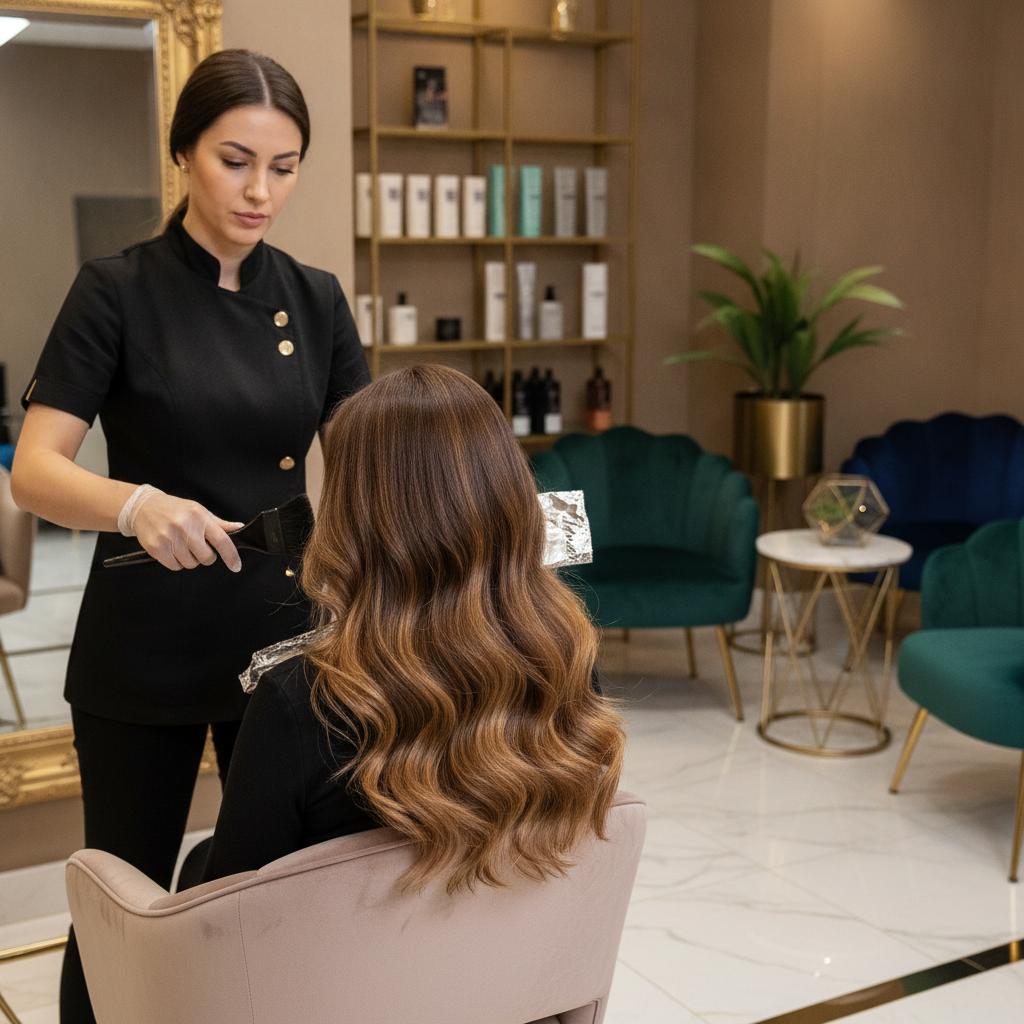
- Apply the mask. Using your fingers or a brush, apply the mask starting from your scalp and working your way down to the ends. If you have oily roots and dry ends, you can apply a clarifying mask to the scalp and a hydrating one to the lengths.
- Massage your scalp. Gently massage your scalp for a few minutes to stimulate blood flow and help with absorption.
- Cover and wait. Tuck your hair into a shower cap or wrap it with a warm towel. This traps heat, which helps open the hair cuticles for deeper penetration. Leave the mask on for 20-30 minutes. Avoid leaving it on for hours, especially if it contains protein like egg, as this can make hair brittle.
Scalp safety, patch testing and allergy notes
Even natural ingredients can cause reactions. Before applying any new DIY hair mask to your entire head, it is crucial to perform a patch test.
How to Patch Test:
- Apply a small amount of the prepared mask to a discreet area of skin, like behind your ear or on your inner elbow.
- Leave it on for 30 minutes, or for the duration you would leave the mask on your hair.
- Rinse it off and wait 24 hours.
- If you experience any redness, itching, swelling, or irritation, do not use the mask.
Be particularly cautious if you have known allergies to foods like eggs, dairy, or certain fruits. What you can eat safely might still irritate your skin. When in doubt, always test first.
Rinse protocols and post-mask styling tips
Rinsing out your homemade hair mask properly is as important as the application itself.
- Use lukewarm water. Hot water can strip moisture from your hair and scalp. Start by rinsing thoroughly with lukewarm water.
- Avoid shampoo if possible. Most masks won’t require a post-shampoo. However, if your mask contained heavy oils, you may need a gentle, sulfate-free shampoo to remove the residue. Focus the shampoo on the scalp.
- Always follow with a conditioner. A conditioner helps to seal the hair cuticle, locking in all the nourishing benefits of your mask. Apply conditioner from the mid-lengths to the ends and rinse with cool water to boost shine.
- Style gently. Your hair is in a healthier state, so try to minimize heat styling. If you must use heat, always apply a heat protectant. Let your hair air-dry if possible to see the full, glorious results of your treatment.
How often to use masks and how to troubleshoot common issues
The ideal frequency for using a DIY hair mask depends on your hair’s condition. As a general rule for 2025 and beyond, aim for consistency over intensity.
- For dry or damaged hair: Once a week.
- For normal hair: Every two weeks.
- For oily hair: Once or twice a month, focusing on scalp-clarifying masks.
Troubleshooting Common Problems:
- My hair feels greasy: You might have used too much oil or not rinsed thoroughly enough. Try using less oil next time or follow up with a light shampoo.
- My hair feels dry or brittle: This can happen from “protein overload” if you use egg-based masks too often. Balance protein treatments with moisture-focused masks.
- I have bits of food in my hair: Your ingredients were not blended smoothly enough. For ingredients like banana or avocado, using a blender is the best way to ensure a silky-smooth consistency.
Seasonal swaps and ingredient substitutions
Your hair’s needs can change with the seasons. A smart haircare strategy involves adapting your DIY hair mask formula to the climate.
- Winter: Cold, dry air strips moisture. Focus on rich, occlusive ingredients like shea butter, avocado oil, and honey to combat dryness and static.
- Summer: Sun, chlorine, and humidity can cause damage and frizz. Opt for lighter hydrators like aloe vera gel and yogurt. Use clarifying ingredients like ACV to combat sweat and product buildup.
Easy Substitutions:
- No Avocado? Use a very ripe banana for a similar creamy, moisturizing effect.
- No Coconut Oil? Olive oil is a great alternative. For finer hair, try a lighter oil like jojoba or grapeseed oil.
- No Yogurt? Coconut cream or full-fat coconut milk can provide a similar creamy base with conditioning fats.
Storage, shelf life and hygiene best practices
Because a DIY hair mask is made from fresh, preservative-free food ingredients, it has a very short shelf life. Always make a fresh batch for each use.
- Do not store leftovers. Once you mix the ingredients, bacteria can begin to grow within hours, especially at room temperature. Discard any unused portion of your mask immediately.
- Use clean utensils. Ensure your bowls, spoons, and blender are thoroughly cleaned before you begin to prevent contamination.
- Prepare right before use. The active enzymes and vitamins in fresh ingredients are most potent immediately after they’re prepared. Mix your mask just before you plan to step into the shower for the best results.
Scaling recipes by hair length and density
The recipes provided are a starting point, generally suitable for shoulder-length hair of average density. Adjust the quantities based on your hair.
- Short hair (above chin): Halve the recipe. (e.g., 1/4 avocado, 1/2 tbsp honey).
- Long hair (below shoulders): Double the recipe. (e.g., 1 whole avocado, 2 tbsp honey).
- Thick or dense hair: You may need to increase the recipe by 1.5x or 2x to ensure full saturation.
- Fine hair: Use the standard recipe but consider using less of the heavier oils to avoid weighing your hair down.
The goal is to create enough of the DIY hair mask to fully and evenly coat all your strands without excessive waste.
Visual recipe guide and suggested short video shots
Creating a short video is a great way to share your DIY hair mask journey. Here are some shot ideas for a compelling visual guide:
- Shot 1 (Hook): A satisfying close-up shot of the fresh ingredients arranged neatly on a clean surface. Text overlay: “The best DIY hair mask for shiny hair.”
- Shot 2 (Process): Quick, sped-up clips of you adding each ingredient to a bowl. A satisfying mash of the avocado or a slow-motion pour of honey.
- Shot 3 (Texture): A close-up of the final mask being stirred, showing off its smooth, creamy texture.
- Shot 4 (Application): A shot of you applying the mask to a section of your hair, demonstrating the technique.
- Shot 5 (The Wait): A quick, fun shot of you with your hair wrapped in a shower cap, maybe sipping tea or reading.
- Shot 6 (The Reveal): A final shot of you running your fingers through your clean, dry, shiny hair, showing off the amazing results.
Further reading and evidence-informed resources
While the world of DIY beauty is rich with tradition, it is always beneficial to understand the science behind it. For those interested in a deeper dive, here are some resources that explore the properties of natural ingredients in dermatology and hair care.
- International Journal of Trichology: A peer-reviewed journal offering scientific insights into hair and scalp health. A search on their site can reveal studies on hair shaft properties and the effects of oils.
- PubMed Central: A free digital archive of biomedical and life sciences journal literature. You can search for studies on specific ingredients, such as the “Use of Honey in Wound Management,” which details its antimicrobial and humectant properties relevant to scalp health.
- Journal of Cosmetic Dermatology: This resource often publishes research on the efficacy of various natural compounds used in skin and hair care, providing evidence for why certain traditional remedies work. See articles like this one discussing the role of “Micronutrients for Hair and Nails.”
By combining hands-on creativity with evidence-aware knowledge, you can elevate your hair care routine and achieve a healthy, vibrant mane with your very own perfect DIY hair mask.