Table of Contents
- Understanding Your Hair’s Journey
- The Foundation of Healthy Hair
- Kitchen-Powered Home Remedies for Hair Growth
- Techniques to Boost Your Results
- Fueling Growth from Within
- The Bigger Picture: Lifestyle’s Impact
- Customizing Your Hair Care Routine
- Safety First: A Crucial Step
- Your Two-Week Kickstart Plan for 2025 and Beyond
- Conclusion and Further Learning
Understanding Your Hair’s Journey
Embarking on a quest for longer, stronger hair starts with understanding how it grows. Far from being a static feature, your hair is constantly undergoing a dynamic process. Using home remedies for hair growth becomes much more effective when you know what you are supporting. Each strand on your head operates on its own timeline, cycling through distinct phases.
The Hair Growth Cycle Explained
Your hair’s life is a four-part cycle, and each follicle is at a different stage. This is why you shed hairs every day without going bald.
- Anagen (Growth Phase): This is the active phase where hair cells divide rapidly, and the strand grows longer. It can last anywhere from 2 to 7 years. The goal of most hair growth strategies is to extend this phase.
- Catagen (Transition Phase): A short, transitional stage lasting about 10 days. The hair follicle shrinks, and growth detaches from the blood supply, stopping growth.
- Telogen (Resting Phase): The follicle remains dormant for about three months. While the old hair rests, a new hair begins to form underneath.
- Exogen (Shedding Phase): This is the end of the line for the old hair strand. It sheds from the scalp, often pushed out by the new hair growing in. It’s normal to lose 50-100 hairs per day in this phase.
Common Culprits Behind Slow Hair Growth
If you feel your hair isn’t growing as quickly or as thick as you’d like, several factors could be at play. Understanding these can help you tailor your approach to using natural and home remedies for hair growth.
- Genetics: Your DNA is the primary blueprint for your hair’s length, thickness, and growth rate.
- Nutritional Deficiencies: Hair follicles require a steady supply of vitamins and minerals, like iron, zinc, and biotin, to build strong hair.
- Stress: High levels of the stress hormone cortisol can push more hair follicles into the resting (telogen) phase prematurely, leading to increased shedding.
- Hormonal Fluctuations: Events like pregnancy, menopause, or thyroid issues can significantly impact the hair growth cycle.
- Physical Damage: Over-styling with heat, harsh chemical treatments, and tight hairstyles can cause breakage, making hair appear to grow more slowly.
The Foundation of Healthy Hair
Before diving into masks and oils, it’s crucial to establish a healthy foundation. Sometimes, the most effective “remedies” are simple, consistent habits and knowing when you need more than a home-based solution.
When to Consult a Professional
While home remedies for hair growth can be fantastic for supporting overall hair health and encouraging a healthy growth environment, they are not a substitute for medical advice. You should consult a doctor or a dermatologist if you experience:
- Sudden and significant hair loss
- Bald patches or circular patterns of hair loss
- Scalp pain, itching, or severe flaking
- Hair loss accompanied by other symptoms like fatigue or weight changes
A professional can diagnose underlying conditions like alopecia areata, hormonal imbalances, or nutritional deficiencies that require targeted medical treatment.
Daily Habits for Follicle Fitness
Your daily actions have a cumulative effect on your hair’s health. Integrate these gentle practices into your routine:
- Brush with Care: Use a wide-tooth comb or a brush with soft bristles. Start detangling from the ends and work your way up to the roots to minimize breakage.
- Loosen Up: Consistently wearing tight hairstyles like high ponytails or braids can cause traction alopecia, a type of hair loss from pulling. Opt for looser styles whenever possible.
- Turn Down the Heat: Frequent use of high-heat styling tools can damage the hair’s protein structure, leading to weak, brittle strands. When you do use heat, always apply a heat protectant first.
- Pat, Don’t Rub: After washing, gently squeeze excess water from your hair with a soft microfiber towel or an old t-shirt instead of rubbing vigorously with a coarse towel.
Kitchen-Powered Home Remedies for Hair Growth
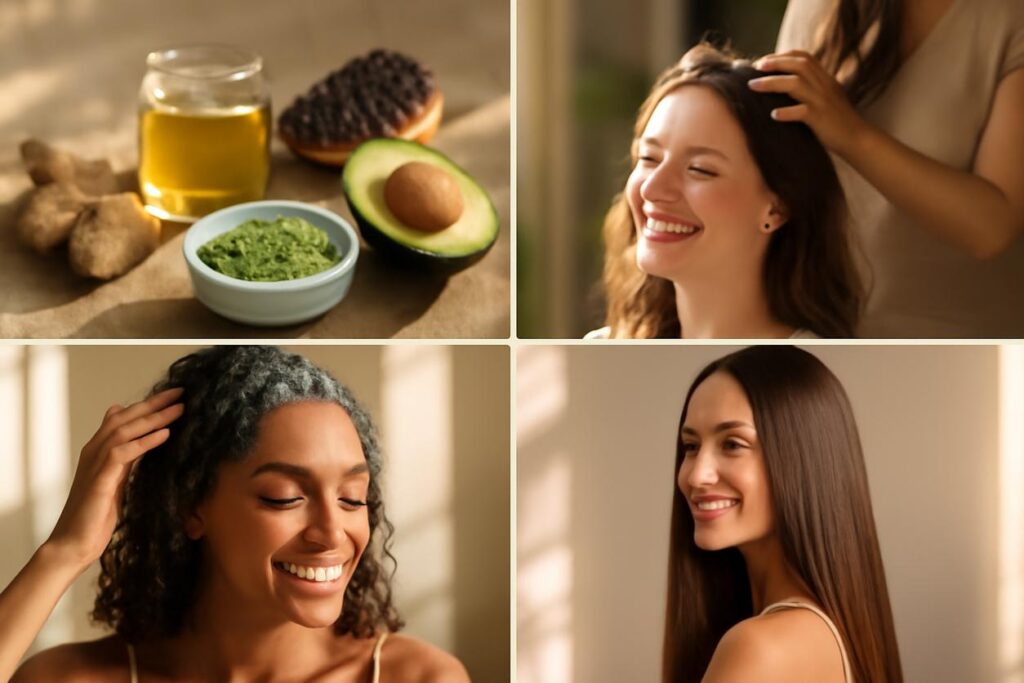
Your kitchen can be a treasure trove of ingredients that create a nurturing environment for your scalp and hair. These accessible home remedies for hair growth focus on improving scalp circulation, providing nutrients, and reducing breakage.
Five Potent Ingredients from Your Pantry
- Rosemary: Often compared to minoxidil in preliminary studies, rosemary oil is believed to improve circulation to the scalp, ensuring follicles get the oxygen and nutrients they need. You can use rosemary essential oil (diluted) or a simple rosemary water rinse.
- Onion Juice: Though the smell is potent, onion juice is rich in dietary sulfur. Sulfur is a building block of keratin, the protein that makes up your hair. It may help provide the necessary components for new hair growth.
- Aloe Vera: Known for its soothing properties, aloe vera can calm an irritated scalp, reduce dandruff, and gently cleanse the hair follicle. A healthy scalp is the bedrock of healthy hair.
- Coconut Oil: Rich in lauric acid, coconut oil has a unique ability to penetrate the hair shaft, reducing protein loss from washing and styling. This helps keep strands strong and less prone to breakage.
- Green Tea: The antioxidants in green tea, particularly EGCG (epigallocatechin gallate), can help support the scalp by neutralizing free radicals and may help promote a healthy growth cycle. A cool green tea rinse can be refreshing and beneficial.
How to Prepare Three Simple DIY Hair Growth Masks
Here are step-by-step instructions for easy, effective masks using the ingredients above.
1. Aloe Vera and Coconut Oil Hydrating Mask
- Best for: Dryness and scalp soothing.
- Ingredients: 2 tablespoons of pure aloe vera gel and 1 tablespoon of melted coconut oil.
- Instructions: Mix the aloe vera and coconut oil until smooth. Apply to your scalp and hair, focusing on the ends. Leave it on for 30 minutes, then rinse and shampoo as usual.
2. Rosemary and Castor Oil Stimulating Mask
- Best for: Stimulating scalp circulation.
- Ingredients: 2 tablespoons of castor oil (a carrier oil) and 3-5 drops of rosemary essential oil.
- Instructions: Mix the rosemary essential oil into the castor oil. Gently massage the mixture into your scalp for 5 minutes. Let it sit for at least 30 minutes (or overnight for a deep treatment) before washing out thoroughly.
3. Green Tea and Honey Soothing Rinse
- Best for: Calming an irritated scalp and adding shine.
- Ingredients: 1 cup of freshly brewed and cooled green tea and 1 teaspoon of honey.
- Instructions: Brew the green tea and let it cool completely. Stir in the honey until it dissolves. After shampooing and conditioning, pour the rinse over your hair and scalp. Do not rinse it out.
Techniques to Boost Your Results
Applying remedies is only half the battle. How you apply them can make a significant difference. A simple massage can elevate your routine from a passive treatment to an active, stimulating practice.
The Art of Scalp Massage
A scalp massage is one of the most underrated home remedies for hair growth. It doesn’t require any products and can be done anytime. The primary benefit is increased blood flow to the follicles, which delivers more oxygen and essential nutrients directly where they are needed.
How to do it: Using the pads of your fingertips (not your nails), apply gentle to medium pressure on your scalp. Move your fingers in small, circular motions across your entire head for at least 5 minutes. You can do this on a dry scalp or use it to work in an oil or hair mask for enhanced benefits. Aim to do this several times a week, perhaps before you go to bed or before washing your hair.
Fueling Growth from Within
Topical treatments are beneficial, but true, sustainable hair growth is built from the inside out. Your diet provides the essential building blocks for creating strong, resilient hair strands.
Essential Nutrients for Stronger Strands
| Nutrient | Role in Hair Health | Food Sources |
|---|---|---|
| Protein (Keratin) | Hair is made of protein. A lack of it can lead to brittle hair. | Eggs, chicken, fish, lentils, Greek yogurt, tofu. |
| Iron | Helps red blood cells carry oxygen to your follicles. Iron deficiency is a major cause of hair loss. | Spinach, red meat, lentils, fortified cereals, oysters. |
| Biotin (Vitamin B7) | Essential for producing keratin. Deficiencies are linked to hair thinning. | Eggs, almonds, sweet potatoes, salmon, avocados. |
| Vitamin C | An antioxidant that helps create collagen and aids in iron absorption. | Bell peppers, citrus fruits, strawberries, broccoli. |
| Zinc | Plays a crucial role in hair tissue growth and repair. It also helps keep the oil glands around the follicles working properly. | Oysters, beef, pumpkin seeds, lentils, spinach. |
A Sample Weekly Meal Plan for Hair Health
Focus on incorporating a variety of nutrient-dense foods. Here are some ideas:
- Monday: Spinach and feta omelet (Protein, Iron); Salmon salad for lunch (Biotin, Protein); Lentil soup for dinner (Zinc, Iron).
- Tuesday: Greek yogurt with berries and nuts (Protein, Vitamin C); Chicken and quinoa bowl (Protein); Tofu stir-fry with bell peppers (Protein, Vitamin C).
- Wednesday: Oatmeal with pumpkin seeds (Zinc); Leftover stir-fry for lunch; Beef and broccoli for dinner (Iron, Zinc).
For more detailed dietary information, explore resources on healthy hair nutrition.
The Bigger Picture: Lifestyle’s Impact
Your daily routines, stress levels, and sleep quality are deeply intertwined with your hair’s health. Neglecting these areas can undermine even the best home remedies for hair growth.
Sleep, Stress, and Strong Hair
Chronic stress elevates cortisol, which can disrupt the hair growth cycle and lead to telogen effluvium—a condition where a large number of hairs are pushed into the shedding phase. Prioritizing stress management through techniques like meditation, yoga, or deep breathing is crucial. Similarly, sleep is when your body repairs itself. Aim for 7-9 hours of quality sleep per night to allow for optimal cell regeneration, including the cells in your hair follicles.
The Role of Movement
Regular physical activity is excellent for your hair. Exercise increases blood flow throughout the body, including to the scalp. This improved circulation helps deliver more nutrients and oxygen to your hair follicles, supporting healthy growth. It’s also a powerful, proven way to reduce stress.
Customizing Your Hair Care Routine
Not all hair is created equal. The effectiveness of a remedy can depend on your hair’s unique texture and porosity. Here’s how to adapt your approach.
Adapting Remedies for Your Hair Type
- Straight Hair: This hair type can get weighed down easily. Opt for lighter oils like jojoba or grapeseed oil. When using masks like the coconut oil and aloe vera one, focus the application more on the ends than the roots to avoid greasiness. A rosemary water rinse is an excellent, lightweight option.
- Wavy Hair: Wavy hair needs a balance of moisture and protein without being weighed down. The Aloe Vera and Coconut Oil mask is great, but you might alternate it with a protein-rich mask (like one with egg yolk) to maintain wave structure. Scalp massages are particularly beneficial to stimulate follicles.
- Curly Hair: Curls thrive on moisture. Heavier oils like coconut and castor oil are fantastic. Deep conditioning regularly is key. You can leave the Aloe Vera and Coconut Oil mask on for longer or even overnight (with a shower cap) for an intense hydration boost.
Safety First: A Crucial Step
Natural doesn’t always mean non-reactive. Before applying any new ingredient to your entire scalp, it is absolutely essential to perform a patch test to check for allergic reactions or sensitivity.
Allergies and Patch Testing Instructions
A patch test is a simple procedure to ensure a substance won’t irritate your skin.
- Prepare the Substance: Mix a small amount of the DIY mask or dilute the essential oil just as you would for full application.
- Apply a Small Amount: Dab a small amount of the mixture onto a discreet patch of skin, like behind your ear or on your inner elbow.
- Wait 24 Hours: Leave the area alone and do not wash it for at least 24 hours.
- Check for a Reaction: After 24 hours, check the skin for any signs of redness, itching, swelling, or irritation. If you see any reaction, do not use the substance on your scalp. If the skin looks clear, it is likely safe to proceed.
For more information on the safe use of natural remedies, consult official sources like the World Health Organization’s page on traditional and complementary medicine.
Your Two-Week Kickstart Plan for 2025 and Beyond
Consistency is the most important ingredient. This simple two-week plan helps you integrate these practices into a manageable routine.
A Practical Schedule to Follow
Week 1: Foundation and Nourishment
- Daily: Gentle brushing, avoid tight hairstyles, take 5 minutes for mindful deep breathing.
- Day 1: 5-minute scalp massage before bed.
- Day 3: Apply the Aloe Vera and Coconut Oil Hydrating Mask. Leave on for 30 minutes before washing.
- Day 5: 5-minute scalp massage with a few drops of a carrier oil like jojoba.
- Meal Focus: Ensure every meal contains a good source of protein and you eat at least one iron-rich food per day.
Week 2: Stimulation and Reinforcement
- Daily: Continue gentle hair habits and stress management.
- Day 8: 5-minute scalp massage.
- Day 10: Try the Rosemary and Castor Oil Stimulating Mask. Focus the massage on your scalp.
- Day 12: Finish your hair wash with a cool Green Tea Rinse.
- Day 14: 5-minute scalp massage.
- Meal Focus: Add a variety of colorful fruits and vegetables for antioxidants and vitamins. Snack on a small handful of almonds or pumpkin seeds.
Conclusion and Further Learning
Achieving your hair growth goals is a marathon, not a sprint. A holistic approach that combines targeted home remedies for hair growth with a nutrient-rich diet, stress management, and gentle hair care practices will yield the most significant and lasting results. By listening to your body and being consistent with your routine, you can create the ideal environment for your hair to thrive.
References and Further Reading
For more evidence-based information on scalp and hair health, we recommend exploring the following resources:
- Scalp Health Research: The National Center for Biotechnology Information (NCBI) offers a vast database of scientific studies related to dermatology and hair biology.