Why choose homemade hair masks
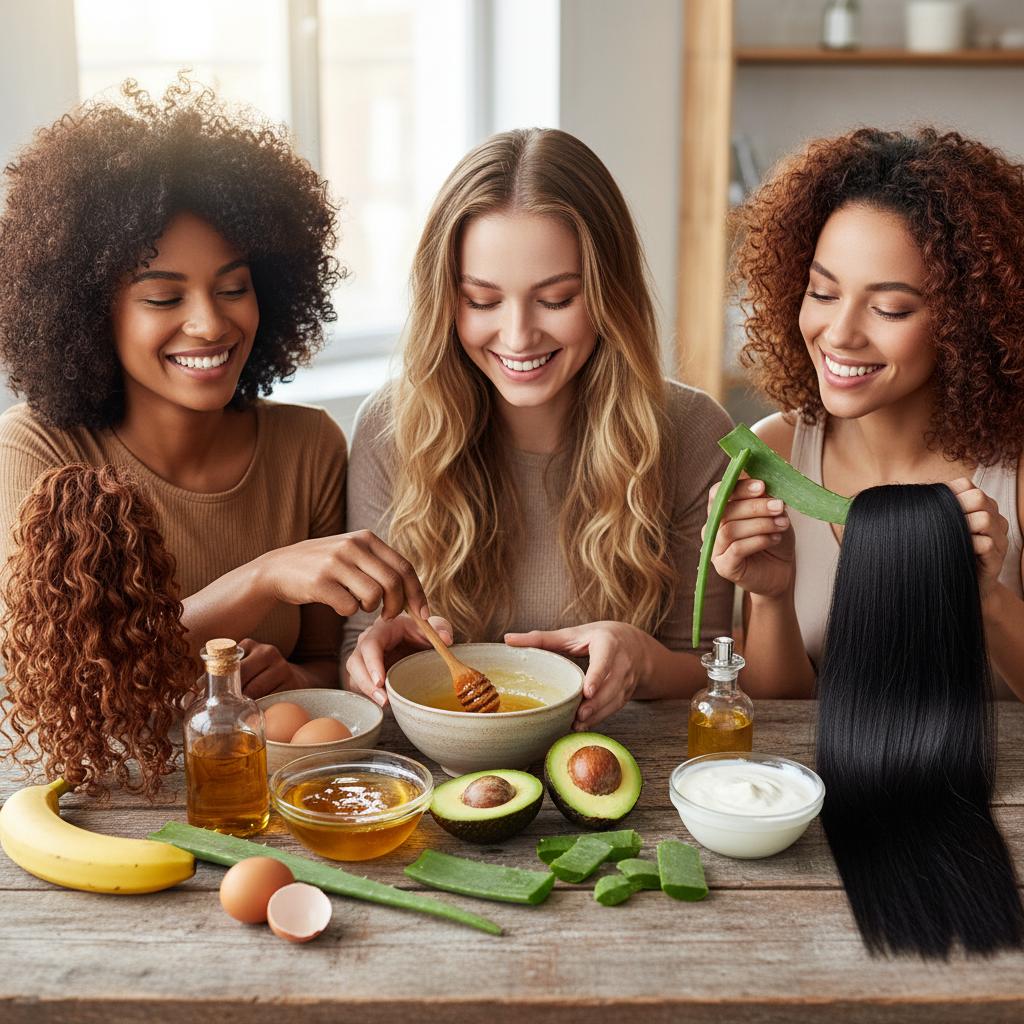
In a world of endless haircare options, turning to your own kitchen to create a DIY hair mask might seem like a step back. However, it’s actually a forward-thinking approach to personalized haircare. The benefits go far beyond just saving a few pounds. By creating your own treatments, you gain complete control over what you put on your hair and scalp.
Firstly, you can ensure your mask is free from silicones, parabens, and synthetic fragrances that can sometimes irritate a sensitive scalp or weigh down fine hair. Secondly, a homemade hair mask is incredibly cost-effective. Key ingredients like avocado, honey, and olive oil are often already in your pantry. Lastly, and most importantly, you can tailor every single treatment to your hair’s exact needs on any given day. Is it feeling dry? Add more oil. Looking a bit weak? A protein-rich ingredient is your answer. This level of customization is something store-bought products simply can’t offer.
Assessing your hair’s needs before you start
Before you start mashing and mixing, take a moment to understand what your hair is truly asking for. Creating an effective DIY hair mask starts with a correct diagnosis of your hair’s condition. The three key areas to consider are porosity, texture, and scalp health.
Hair Porosity refers to your hair’s ability to absorb and retain moisture. You can do a simple strand test:
- Low Porosity: A strand of hair floats in a glass of water. The hair cuticle is tightly bound, making it difficult for moisture to penetrate. This hair type is prone to product buildup and needs lightweight ingredients.
- Normal Porosity: The strand floats for a bit before slowly sinking. The cuticle is balanced, allowing moisture in and out effectively.
- High Porosity: The strand sinks quickly. The cuticle has gaps or holes, so it absorbs moisture easily but also loses it just as fast. This hair is often dry, frizzy, or damaged and needs sealing oils and proteins to fill the gaps.
Hair Texture describes the thickness of individual strands. Fine hair has a small diameter and can be easily weighed down. Coarse hair has a large diameter and can often handle richer, heavier ingredients. Medium texture falls somewhere in between. Finally, consider your scalp. Is it oily, dry, or prone to irritation? Your mask should nourish your hair without exacerbating any scalp issues. For oily scalps, avoid applying heavy oils directly to the roots.
Ingredient guide with science-backed benefits
The beauty of a DIY hair mask lies in its simple, potent ingredients. Understanding what each one does will empower you to become your own hair chemist. We can group the most effective ingredients into two main categories: oils for sealing and moisturizing, and proteins and humectants for strengthening and hydrating.
Natural oils and how to pick them
Oils are fundamental to hair health, providing lipids that protect and lubricate the hair shaft. They can be broadly classified as either penetrating or sealing. Penetrating oils have smaller molecules that can enter the hair shaft to moisturize from within, while sealing oils have larger molecules that coat the strand, locking in moisture and adding shine.
| Oil | Type | Best For | Science-Backed Benefit |
|---|---|---|---|
| Coconut Oil | Penetrating | Damaged, dry, or high porosity hair | Its lauric acid structure allows it to bind to hair proteins and significantly reduce protein loss from the hair shaft during washing. |
| Olive Oil | Penetrating | Dry, thick, coarse, or frizzy hair | Contains oleic acid, which penetrates the hair shaft to restore moisture. Also a natural emollient that softens and smooths the cuticle. |
| Avocado Oil | Penetrating | Dry, brittle, or color-treated hair | Rich in monounsaturated fats, vitamins, and minerals that nourish and strengthen the hair. It’s one of the few oils that can penetrate the cuticle. |
| Argan Oil | Sealing | All hair types, especially frizzy or heat-damaged | High in vitamin E, fatty acids, and antioxidants. It forms a non-greasy film on the hair to fight frizz and protect from damage. |
| Jojoba Oil | Sealing | Fine, oily, or low porosity hair | Structurally very similar to human sebum (the scalp’s natural oil), making it a lightweight sealant that won’t weigh hair down. |
Proteins and humectants explained
Beyond oils, two other types of ingredients are crucial for a well-rounded DIY hair mask: proteins and humectants.
- Proteins: Your hair is primarily made of a protein called keratin. Chemical treatments, heat styling, and environmental factors can damage this structure, creating gaps in the hair shaft. Ingredients like Greek yogurt, egg, and avocado provide proteins that can temporarily patch these gaps, reinforcing the hair’s strength and elasticity. A word of caution: too much protein can lead to stiffness and breakage, a condition known as “protein overload.” Listen to your hair; if it starts to feel brittle, focus on moisture instead.
- Humectants: These are ingredients that attract water molecules from the environment and bind them to the hair. The most popular natural humectants are honey and aloe vera gel. They are excellent for infusing hair with hydration, making them perfect for dry, dehydrated strands. Keep in mind that in very dry climates, humectants can sometimes pull moisture from the hair itself, so it’s always best to pair them with a sealing oil.
Quick recipes by hair type
Now for the fun part! These recipes are fantastic starting points. Feel free to adjust them based on what you have and what your hair loves. These are single-use recipes; mix them fresh for each application.
Fine or limp hair formula
The goal here is hydration and nourishment without the weight. This mask provides moisture and a touch of strength, rinsing out cleanly.
- 2 tablespoons Aloe Vera Gel (a lightweight humectant)
- 1 tablespoon Green Tea, brewed and cooled (rich in antioxidants)
- 1 teaspoon Jojoba Oil (a lightweight sealant)
Instructions: Whisk all ingredients together until smooth. The consistency will be thin, so apply carefully over a sink.
Dry and frizzy hair formula
This rich, creamy mask is designed to deeply moisturize and smooth the hair cuticle to combat frizz.
- 1/2 ripe Avocado (packed with fatty acids and vitamins)
- 1 tablespoon Olive Oil (a deeply penetrating moisturizer)
- 1 tablespoon Honey (a natural humectant to draw in moisture)
Instructions: Mash the avocado until completely lump-free, then stir in the olive oil and honey until you have a smooth, creamy paste.
Color-treated and chemically processed hair
Chemically treated hair craves both protein for repair and moisture for softness. This mask provides a balanced dose of both.
- 2 tablespoons full-fat Greek Yogurt (provides protein and lactic acid for gentle exfoliation)
- 1 tablespoon Avocado Oil (nourishes and penetrates)
- 1/2 mashed Banana (rich in silica, which can help improve hair thickness and strength)
Instructions: Blend all ingredients thoroughly. Ensuring the banana is completely pureed is key to avoiding bits in your hair.
Curly and textured hair options
Curls and coils need intense moisture to maintain their pattern and avoid dryness. This is a rich treatment for maximum hydration.
- 1 tablespoon Shea Butter, melted
- 1 tablespoon Coconut Oil
- 2 tablespoons Aloe Vera Gel
Instructions: Gently melt the shea butter and coconut oil together. Allow it to cool slightly before whisking in the aloe vera gel to create an emulsion.
Customizing proportions and safe substitutions
Think of the recipes above as templates, not strict rules. The best DIY hair mask is the one you create for your unique hair. As you become more comfortable, you can start experimenting. A good starting ratio for a balanced mask is roughly 2 parts conditioning base (avocado, yogurt, banana), 1 part oil, and 1 part humectant (honey, aloe). Adjust based on your needs; if your hair is extremely dry, increase the oil. If it’s feeling weak, ensure you have a protein source.
Safe substitutions are easy. You can swap any oil for another based on the table in our ingredient guide. Don’t have avocado? A ripe banana works well. No Greek yogurt? Coconut milk is a great alternative. The key is to maintain the balance of moisture, protein, and sealing elements.
Application techniques and timing for best results
How you apply your homemade hair mask is just as important as what’s in it. Follow these steps for a salon-worthy treatment at home:
- Start with clean, damp hair. Shampoo your hair first to remove any product buildup, allowing the mask to penetrate effectively. Gently towel-dry until it’s damp, not dripping.
- Section your hair. Divide your hair into 4-6 manageable sections. This ensures you coat every strand evenly.
- Apply from the ends up. Focus the mask on the mid-lengths and ends, as this is the oldest and typically most damaged part of your hair. Use any remaining product sparingly near the roots, especially if you have an oily scalp.
- Distribute evenly. Use your fingers or a wide-tooth comb to gently work the mask through your hair.
- Cover and wait. Tuck your hair into a shower cap or wrap it in a warm towel. The trapped heat will help open the hair cuticle and improve absorption. Leave the mask on for 20-30 minutes.
- Rinse thoroughly. Use lukewarm water to rinse the mask out completely. It may take a few minutes. Follow with your regular conditioner to seal the cuticle and lock in the benefits.
Patch testing and basic safety precautions
While the ingredients are natural, allergies and sensitivities can still occur. It is crucial to perform a patch test 24 hours before applying a new mixture all over your hair and scalp, especially if you have sensitive skin. To do this, apply a small amount of the mask to a discreet area of skin, like behind your ear or on your inner elbow. If you experience any redness, itching, or irritation, do not use the mask.
Always use fresh ingredients. An avocado that’s gone bad is not suitable for your hair any more than it is for eating. Treat your DIY hair mask as fresh food: make it right before you plan to use it and discard any leftovers. As a general rule, if you are allergic to eating a certain food, do not put it on your skin or hair.
Storage, recommended frequency and troubleshooting
Because your DIY hair mask contains fresh, preservative-free ingredients, it is meant for single use only. Bacteria can grow quickly in these mixtures, so it’s safest to discard any leftovers immediately after your treatment.
For most hair types, using a deep conditioning mask once a week is an excellent routine. If your hair is extremely dry or damaged, you might benefit from using one twice a week initially. Conversely, if your hair is fine and healthy, once every two weeks may be sufficient. Pay attention to how your hair responds and adjust your schedule accordingly.
What if things don’t go as planned?
- My hair feels greasy or weighed down: You may have used too much oil or not rinsed thoroughly enough. Try using less oil next time or a lighter oil like jojoba. Ensure you rinse with lukewarm water until your hair feels clean.
- My hair feels dry or brittle: This is often a sign of protein overload. Your hair has too much strength and not enough moisture. For your next treatment, skip the protein (yogurt, egg) and use a simple moisturizing mask with avocado and oil.
Evidence summary and further reading
The advice for these DIY hair mask recipes is rooted in cosmetic science principles. The core concept is that certain oils, rich in fatty acids, can penetrate the hair shaft to reduce the protein loss that occurs during washing and styling—a phenomenon supported by studies on coconut oil. Humectants like honey and aloe vera are well-known for their ability to attract and hold moisture, while protein-rich ingredients can temporarily fill in gaps in the hair’s cuticle, improving its texture and strength. As we look ahead to hair care strategies for 2026 and beyond, this focus on foundational, ingredient-led treatment is set to continue. While large-scale clinical trials on specific kitchen recipes are not common, the chemical properties of these ingredients and their effects on hair are well-documented.
Resources and links to learn more
For those who wish to delve deeper into hair science and general wellness, these resources provide credible, evidence-based information:
- Rich Hair UK: A great resource for practical and in-depth hair care advice.
- NHS hair care guidance: The UK’s National Health Service provides trustworthy information on maintaining healthy hair as part of overall well-being.
- PubMed: A database of scientific research where you can search for studies on hair nutrition and the effects of specific oils and compounds.
- FDA cosmetics guidance: The U.S. Food and Drug Administration offers information on cosmetic safety and ingredients, which can help you understand product labels.