
Table of Contents
- Why Your Nightly Routine is a Game-Changer for Hair Health
- How Your Hair Naturally Repairs While You Sleep
- Your Evening Checklist: Quick Prep Steps Before Bed
- Protective Night Styles for Every Hair Type
- The Right Fabric and Tools to Prevent Breakage
- Elevate Your Routine with Overnight Treatments
- Simple DIY Recipes for Overnight Hair Care
- Your Weekly Overnight Hair Care Plan
- Common Mistakes to Avoid in Your Nighttime Routine
- Quick Morning Fixes for Bedhead and Frizz
- When to See a Professional
- Frequently Asked Questions
- Conclusion: Start Your Simple Routine Tonight
Why Your Nightly Routine is a Game-Changer for Hair Health
We often focus on our morning routines—styling, spraying, and rushing out the door. But what if the secret to healthier, more manageable hair lies in what you do before you go to sleep? Welcome to the world of overnight hair care, a transformative approach that works while you rest. Just like your skin, your hair undergoes a natural repair and regeneration process at night. By implementing a simple nighttime routine, you can protect your strands from damage, lock in moisture, and wake up with hair that is smoother, shinier, and significantly less frizzy. This guide will walk you through everything you need to know to make your sleep a productive time for your hair’s health.
How Your Hair Naturally Repairs While You Sleep
While you’re in deep sleep, your body is hard at work. Blood flow to your hair follicles increases, delivering essential oxygen and nutrients that promote growth. Your scalp’s sebaceous glands produce sebum, a natural oil that moisturizes and protects your hair. However, this process can be disrupted. Tossing and turning on a rough pillowcase can cause friction that lifts the hair’s cuticle, leading to breakage and frizz. A proper overnight hair care routine doesn’t just prevent this damage; it enhances your body’s natural repair mechanisms. By protecting your hair and providing it with nourishment, you help distribute sebum evenly from root to tip, supporting a healthier scalp and stronger strands.
Your Evening Checklist: Quick Prep Steps Before Bed
A successful nighttime hair routine doesn’t have to be complicated. In fact, a few simple steps can make a world of difference. Here’s a quick checklist to prepare your hair for a restorative night.
- Gently Detangle: Always remove any knots or tangles before bed. Start from the ends and work your way up to the roots using a wide-tooth comb or your fingers. This prevents minor tangles from becoming major knots overnight.
- Apply a Light Moisturizer or Serum: Depending on your hair’s needs, apply a small amount of a lightweight leave-in conditioner, oil, or serum. Focus primarily on the mid-lengths and ends, which are the oldest and often driest parts of your hair.
- Secure Your Hair Loosely: Never sleep with your hair in a tight ponytail or bun. This can cause tension and lead to breakage, a condition known as traction alopecia. Instead, opt for a loose, protective style.
Protective Night Styles for Every Hair Type
The right protective style keeps your hair contained, minimizes friction, and can even help preserve your daytime hairstyle. The key is to find a style that is comfortable and suited to your hair texture.
For Straight Hair
The main goals for straight hair are to prevent tangles and avoid dents. A loose braid is an excellent choice. It keeps hair neat and can create gentle waves by morning. Alternatively, you can loosely twist your hair into a high bun on top of your head, secured with a soft scrunchie. This keeps your hair off your neck and face while you sleep.
For Wavy Hair
To preserve your natural wave pattern and reduce frizz, try the “pineapple” method, but with a twist. Gather your hair into a very high, loose ponytail on top of your head, but only pull the hair partway through the scrunchie on the last loop to create a loose bun. This protects the waves without stretching them out. Multiple loose braids can also enhance your wave pattern.
For Curly Hair
Curly hair is prone to dryness and frizz, so protection is crucial. The classic pineapple is a go-to: a high, loose ponytail that lets your curls rest on top of your head, not underneath it. For tighter curls or longer hair, you might prefer multiple “mini pineapples” or large, loose two-strand twists to keep your curl clumps defined and protected.
For Coily Hair
Coily hair benefits greatly from styles that stretch the hair slightly to prevent tangles and shrinkage. Large, loose twists or braids (plaits) are ideal. This keeps the hair organized and protected. Always ensure the style isn’t too tight at the roots. Covering your styled hair with a satin bonnet or scarf is an essential final step in your overnight hair care for coily textures.
The Right Fabric and Tools to Prevent Breakage
What your hair touches while you sleep matters immensely. Traditional cotton pillowcases are highly absorbent, wicking moisture away from your hair and skin. Their rougher texture also creates friction, leading to frizz, tangles, and breakage.
The solution is to switch to a smoother fabric. Silk or satin are the best options. These materials have a tighter weave and a smoother surface, allowing your hair to glide over them with minimal friction. This simple change helps your hair retain its natural moisture and reduces morning frizz.
- Silk or Satin Pillowcases: A direct upgrade for anyone, regardless of hair type.
- Satin Bonnets or Scarves: These provide full coverage, keeping protective styles intact and offering an extra layer of defense against friction. They are particularly beneficial for curly and coily hair types.
- Soft Scrunchies: When securing your hair, avoid elastic bands with metal clasps. Instead, use scrunchies made of silk, satin, or other soft materials that won’t snag or pull on your strands.
Elevate Your Routine with Overnight Treatments
For an extra boost of nourishment, incorporating an overnight treatment into your routine once or twice a week can yield incredible results. This is a core part of a comprehensive overnight hair care strategy.
Overnight Oils
Applying a hair oil before bed can help seal in moisture and nourish your strands. Use a lightweight oil like argan, jojoba, or grapeseed oil. Apply a few drops to your palms, rub them together, and gently work the oil through the mid-lengths and ends of your hair. Cover with a bonnet or use an old pillowcase to avoid stains.
Hair Masks and Deep Conditioners
Overnight masks provide an intensive dose of hydration and nutrients. Apply a deep conditioning mask to clean, damp hair, focusing on the ends. Cover your hair with a shower cap or bonnet to trap heat and help the product penetrate more deeply. Rinse it out in the morning for incredibly soft, revitalized hair.
Targeted Serums
If you have specific concerns like split ends or thinning, a targeted overnight serum can be beneficial. These formulations often contain concentrated ingredients designed to work on the scalp or hair shaft over several hours. Apply as directed by the product instructions.
Simple DIY Recipes for Overnight Hair Care
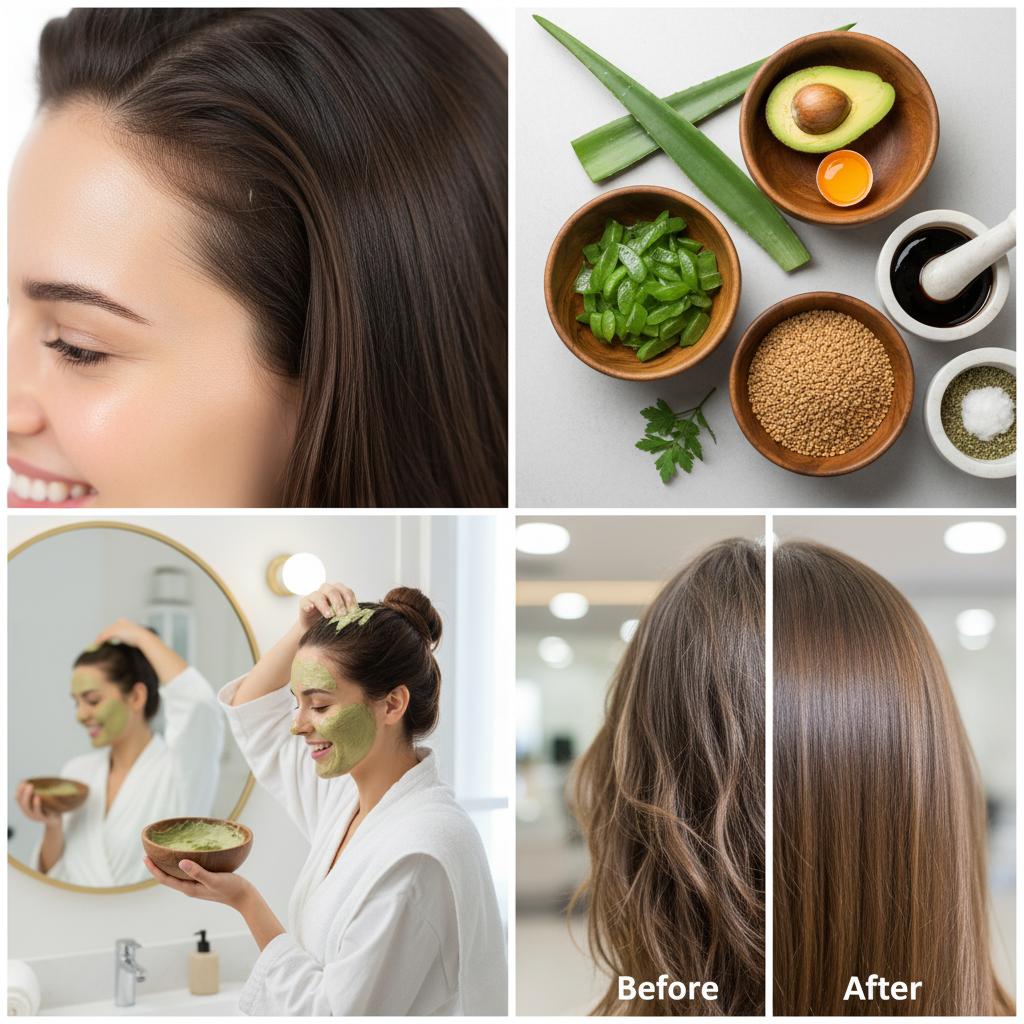
You don’t need expensive products to practice effective overnight hair care. Here are a few simple DIY recipes you can whip up at home for your 2025 hair goals.
| Hair Need | Ingredients | Instructions |
|---|---|---|
| Hydration Boost | 2 tbsp Aloe Vera Gel, 1 tsp Jojoba Oil | Mix ingredients well. Apply lightly to the ends of your hair before putting it into a protective style. Aloe vera is a natural humectant that draws in moisture. |
| Frizz Control | 1 tbsp Argan Oil, 2-3 drops Lavender Essential Oil | Combine the oils in your palm. Smooth over dry, frizzy areas and down the hair shaft. Argan oil seals the cuticle, while lavender adds a calming scent. |
| Scalp Soother | 2 tbsp Coconut Oil (melted), 2 drops Tea Tree Oil | Part your hair and gently massage the mixture into your scalp. This can help with dryness and dandruff. Use sparingly to avoid greasy roots. |
Your Weekly Overnight Hair Care Plan
Consistency is key. Instead of trying to do everything at once, create a simple weekly schedule to address all your hair’s needs without overwhelming yourself.
- Nights 1-3 (Maintenance): Focus on the basics. Gently detangle, apply a tiny amount of leave-in conditioner if needed, and secure your hair in a loose protective style.
- Night 4 (Treatment): This is your deep treatment night. Apply an overnight mask or oil treatment. Protect your hair with a shower cap or bonnet.
- Nights 5-6 (Maintenance): Return to your basic routine. Your hair will still be reaping the benefits of the treatment.
- Night 7 (Rest/Prep): If it’s the night before wash day, you can either apply a pre-shampoo treatment or simply secure your hair in a braid and let it be.
For more ideas on building a routine that works for you, exploring different overnight routines can provide inspiration tailored to your lifestyle and hair goals.
Common Mistakes to Avoid in Your Nighttime Routine
Even with the best intentions, a few common mistakes can sabotage your overnight hair care efforts.
- Sleeping with Wet Hair: Hair is at its most fragile when wet. Tossing and turning on wet hair can lead to significant stretching and breakage. Always ensure your hair is at least 80-90% dry before bed.
- Using Tight Hair Ties: Tight elastics create a line of tension that can snap your hair. Always opt for soft, loose-fitting scrunchies or ties.
- Over-Applying Product: More is not always better. Using too much oil or cream can weigh your hair down and lead to buildup. Start with a small amount and add more only if necessary.
- Forgetting Your Scalp: A healthy scalp is the foundation of healthy hair. Don’t neglect it! A gentle scalp massage can stimulate blood flow and help distribute natural oils.
Quick Morning Fixes for Bedhead and Frizz
Sometimes, despite your best efforts, you might wake up with a bit of frizz or a flattened style. Don’t worry—it’s usually an easy fix.
- Use Steam: The steam from your shower can help gently reset your hair. Simply let your hair down while you shower (without getting it wet) to let the humidity do its work.
- Water Spritz: Fill a spray bottle with water and lightly mist your hair to reactivate your natural pattern or products from the day before. Gently scrunch or smooth as needed.
- A Touch of Product: Apply a very small amount of leave-in conditioner or anti-frizz serum to your palms and smooth it over any unruly sections.
When to See a Professional
An effective overnight hair care routine can solve many common hair issues, but it isn’t a cure-all. If you are experiencing persistent problems, it may be time to consult a professional stylist or a trichologist (a hair and scalp specialist).
Seek professional advice if you notice:
- Significant or Sudden Hair Loss: While some daily shedding is normal, noticeable thinning or bald patches require a medical evaluation.
- A Persistently Itchy or Flaky Scalp: This could be a sign of a condition like psoriasis, seborrheic dermatitis, or a fungal infection that needs specific treatment.
- Extreme Breakage: If your hair is breaking off despite gentle handling and care, there may be an underlying issue with its structure or your overall health.
Remember that internal health is just as important as external care. For more information on how diet and health impact your hair, check out these resources on hair nutrition and tips.
Frequently Asked Questions
Is it better to sleep with your hair up or down?
It is almost always better to sleep with your hair up in a loose, protected style. Leaving it down exposes all of your strands to friction against your pillow, leading to more tangles, frizz, and potential breakage, especially if you move around a lot in your sleep.
Can I practice overnight hair care every single night?
Yes! The protective aspects of an overnight hair care routine, like using a silk pillowcase and a loose hairstyle, should be done every night. Intensive treatments like masks or heavy oils should be limited to once or twice a week to avoid product buildup.
Will overnight treatments make my hair greasy?
They can if you use too much product or apply it too close to your roots. Focus treatments on the mid-lengths and ends, which need the most moisture. Start with a very small amount—you can always add more next time if needed.
Conclusion: Start Your Simple Routine Tonight
Transforming your hair doesn’t require a complete lifestyle overhaul. By making small, consistent changes to your nightly routine, you can protect your hair from damage and enhance its natural beauty while you sleep. The power of a great overnight hair care plan is that it works passively, giving you back time in the morning and rewarding you with healthier hair in the long run.
Ready to start? Here’s a simple routine to try tonight:
- Detangle: Use your fingers or a wide-tooth comb to gently remove any knots.
- Style: Put your hair into a loose braid or high bun using a soft scrunchie.
- Protect: Sleep on a silk or satin pillowcase.
That’s it. By adopting these simple habits, you are on your way to waking up with stronger, smoother, and more manageable hair every day.